






Eastern Sierra Fly Fishing Report
Fred Rowe of Sierra Bright Dot Fly Fishing Guides reports on September 10th, 2026
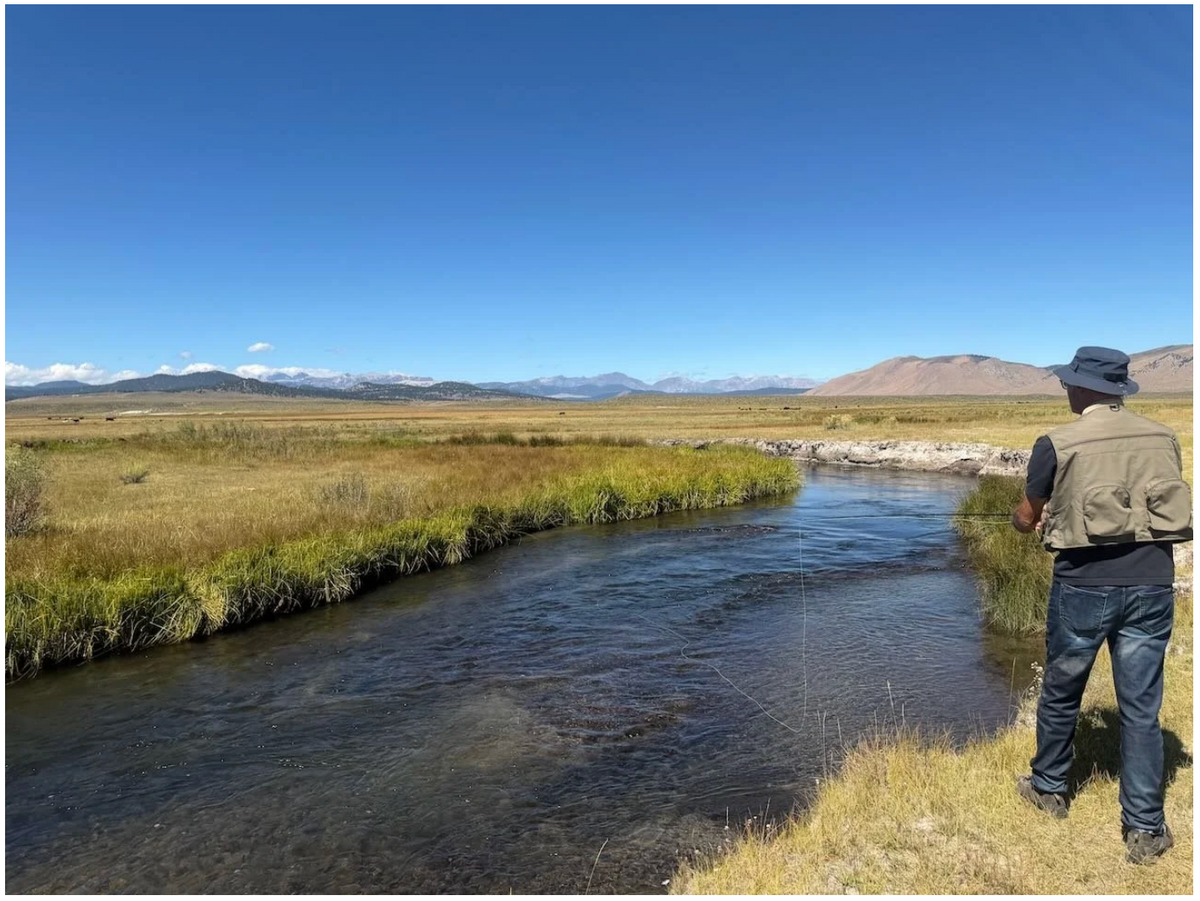
The summer heat wave is behind us, but a voluntary Hoot Owl Regulation continues for Eastern Sierra waters. Be sure to check water temperatures in the afternoons and quit catch and release fly fishing when the temperatures approach the 70 degree mark. Fall is right around the corner and offers the best fly fishing of the year. Trophy trout are entering the rivers to reproduce. High country trout are putting on weight and will eat almost any fly properly presented to them. The trees will be turning shades of yellow, orange and the occasional red. Hatches of mayflies, caddis and midges will bring trout to the surface. Hoppers are finding their way into the waters and the trout are feeding on them. The first frost of the year will remove the mosquitoes. Fall offers the best fly fishing opportunities of the whole year.
San Joaquin River
At Reds Meadows:
Access is limited to Thursday through Sunday and there is only one campground open. Fishing for wild rainbow, brook and brown trout is fun using a dry fly or a dry and dropper rig. Be prepared to hike to the river as you have to park outside the campgrounds and walk into the river. What the fish lack in size they make up for in quantity. Expect 10 to 30 six to 10 inch trout, with anything over 10 inches a big trout. Use size 14 Royal Wulff’s, size 14 Parachute Adams, size 14 Elk Hair Caddis and size 14 Stimulators for dry flies. Size 16 bead head Flash Back Gold Ribbed Hare’s Ears, size 14 Prince Nymphs, size 16 Stoner Nymphs, size 18 bead head Flash Back Pheasant Tail Nymphs and size 16 midges in zebra or tiger coloration are the nymphs that consistently produce trout. The best fly to use on the San Joaquin River is your favorite dry fly as you will fish it with confidence and catch more trout because of your confidence.
Upper Owens River
Above Benton Crossing Bridge:
Water temperatures have cooled off, but still check the water temperatures in the afternoons and quit catch and release fly fishing when water temperatures climb over 70 degrees. There is a morning trico hatch that the wild young of the year trout are feeding on. Use a size 20 female trico dun parachute pattern and switch to a size 22 trico spinner pattern if the trout refuse your trico parachute pattern late into the hatch. There is a blue wing olive hatch on at the end of the trico hatch. Switch to a size 16 blue wing olive parachute, size 16 Parachute Adams and a size 16 olive Sparkle Dun. There are a few trophy trout being caught, but they are not in the river in consistent numbers yet. Early mornings and late evenings are a great time of the day to be pulling streamers for trophy trout. Use size 10 Wooly Buggers, size 10 Slumpbusters, size 6 Sculpzilla and size 10 Muddler Minnows.
Hot Creek
Interpretive Site:
Morning hatches are offering fly fishers good dry fly fishing opportunities with hatches of blue wing olive mayflies and trico mayflies. Most mornings start off with a caddis migration, quickly followed by the trico mayflies and then as the trico hatch subsides the blue wing olive mayflies start to hatch. Start your morning fishing with a size 20 gray Parachute Caddis, size 20 gray Elk Hair Caddis and size 20 gray E/C Caddis. Then switch to a size 22 trico female dun parachute to imitate the hatching trico duns. As the mayflies molt into the spinner switch to a size 22 trico spinner pattern. You will know when to switch to the spinner pattern when the trout quit feeding on your parachute pattern. Late in the morning, when you see bigger mayflies on the water switch to a size 20 Parachute Adams, size 20 blue wing olive parachute and a size 20 Sparkle Dun in olive. The morning hatches are done before noon. Once the winds come up, try presenting a hopper pattern gently on the water. Hot Creek trout spook if you slap the hopper on the water. Fish with a size 12 tan Parachute Hoppers, size 12 tan Stimulator and size 12 tan Chernobyl Ants casting the hoppers into the wind against the banks.
Hot Creek
Canyon Section:
Full growth weed beds make fishing the canyon section tough. The key to success is to drift dry flies in the tiny channels between the weeds. Fish with size 22 trico spinners and size 22 female trico dun parachutes to imitate the trico mayflies. Mornings start off with the caddis migration and getting a drag free drift with a size 20 gray Parachute Caddis, size 20 gray Elk hair Caddis and size 20 gray E/C Caddis will fool the trout feeding on the migrating caddis. When the hoppers make their way onto the water in the afternoon winds, it’s time to put on a size 12 tan Parachute Hoppers, size 12 tan Stimulator and size 12 tan Chernobyl Ants. When fishing hoppers, be sure to land your hopper patterns gently on the water not spooking the skittish trout of Hot Creek.
Lower Owens River
Wild Trout Section:
The lower Owens River is still flowing high and is under voluntary Hoot Owl restrictions. Still check the water temperatures in the afternoons and quit catch and release fly fishing when water temperatures climb over 70 degrees. Nymphs are hard to fish in the river at high flows as they tend to hang up on debris on the substrate. Fish the first and last hour of the day with streamers to find bigger trout. Use size 6 and 10 Wooly Buggers, Slump Busters, Matukas and a size 6 Sculpzilla. Evening caddis hatches bring the trout to the surface and fly fishing with size 18 Elk Hair Caddis, size 18 Parachute Caddis and size 18 E/C Caddis will fool the caddis feeding trout. Look for flows to come down end of this month or beginning of October.
Bishop Creek Canal
Behind Bishop Veterinary Hospital:
Bishop Creek Canal is still under voluntary Hoot Owl regulations as afternoon water temperatures are over the 70 degree mark. Late in the morning before water temperatures climb to unfishable temperatures try fishing with a size 12 tan Parachute Hoppers, size 12 tan Stimulator and size 12 tan Chernobyl Ants. Early in the morning, fish with size 20 female dun trico parachutes, size 20 trico spinners, size 20 blue wing olive parachutes and size 20 Parachute Adams.
Bishop Creek Canyon
Middle Fork:
Adult grasshoppers are flying away as you walk along the banks of Bishop Creek. Fishing with size 12 tan Parachute Hoppers, size 12 tan Stimulator and size 12 tan Chernobyl Ants is fooling the wild brown trout and the stocked rainbow trout. The best fly to use on Bishop Creek is your favorite dry fly as you will fish it with confidence and catch more trout because of your confidence. Fishing a dry and dropper rig is a great way to fool the trout in the creek. Use a size 14 Stimulator, size 14 Royal Wulff, size 16 Elk Hair Caddis and size 16 Parachute Adams for the dry fly. For the nymphs in the dry and dropper rig, use a size 16 bead head Flash Back Gold Ribbed Hare’s Ear nymph, size 16 Prince nymph, size 18 bead head Flash Back Pheasant Tail nymph, a size 16 green/gold Brassie and size 16 midges in zebra and tiger coloration. Fall colors are still a week or two away in the upper reaches of Bishop Canyon.


Read more
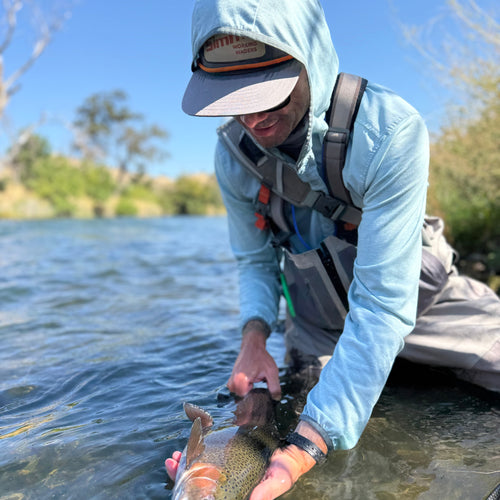
Rob George of The Bend Company reports on September 10th, 2026 Putah Creek 9/10/26 Current flow : 496 cfs Putah has been fishing great lately. The flows have been fluctuating quite a bit. Las...
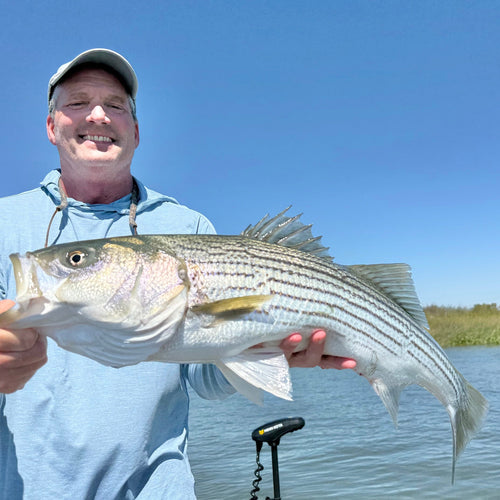
Captain Bryce Tedford reports on September 9th, 2026 September on the Delta is an interesting time of year as smallmouth, largemouth & stripers are all on the table. The biggest challenge is wh...

Leave a comment
All comments are moderated before being published.
This site is protected by hCaptcha and the hCaptcha Privacy Policy and Terms of Service apply.