




A Guide to Choosing Trout Fly Lines
From head length to taper design, density to core—everything you need to know to choose the right fly line for California trout waters.

Fly lines are the most impactful—and least understood—piece of fly-fishing gear. The right line can transform how you cast, mend, and connect with fish on California trout waters.
At Lost Coast Outfitters, we stock more than 2,100 fly lines. That number reflects how differently anglers fish—from delicate size-18 PMDs on Fall River to chunky indicator rigs on the Sacramento and Trinity. This guide breaks down every key component so you can choose a fly line with confidence and stop guessing at the wall of boxes in the shop.
As featured in California Fly Fisher, Spring 2026. Written by George Revel. Part one of a three-part series.
Our Favorite All Around Trout Line


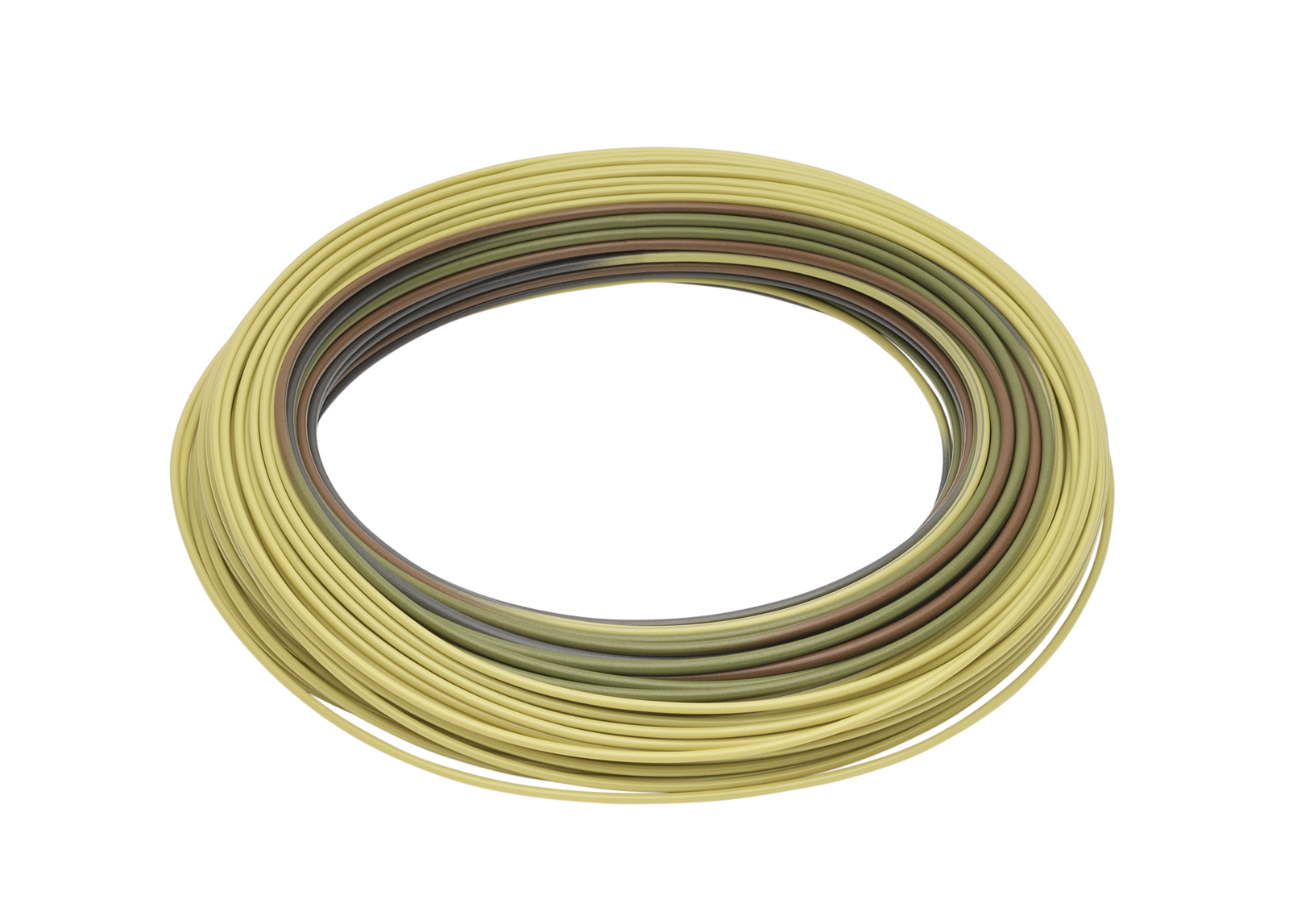
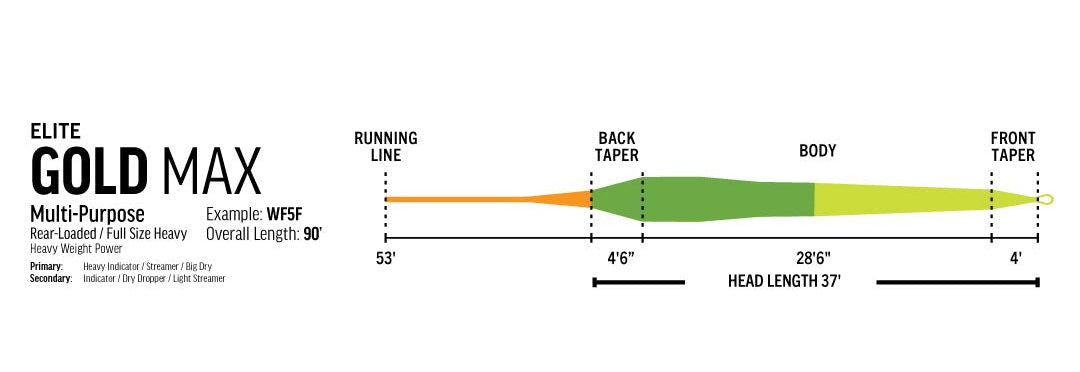
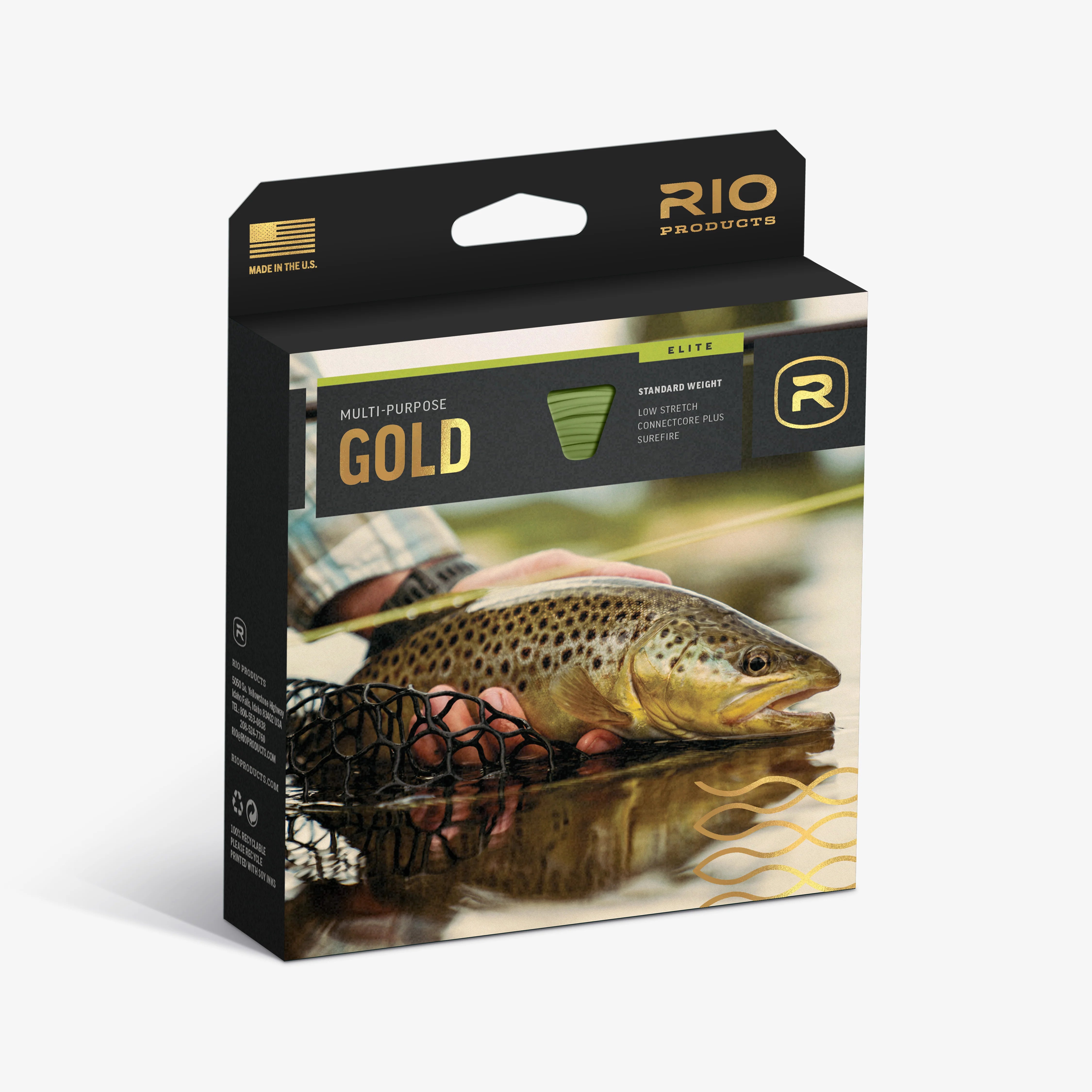
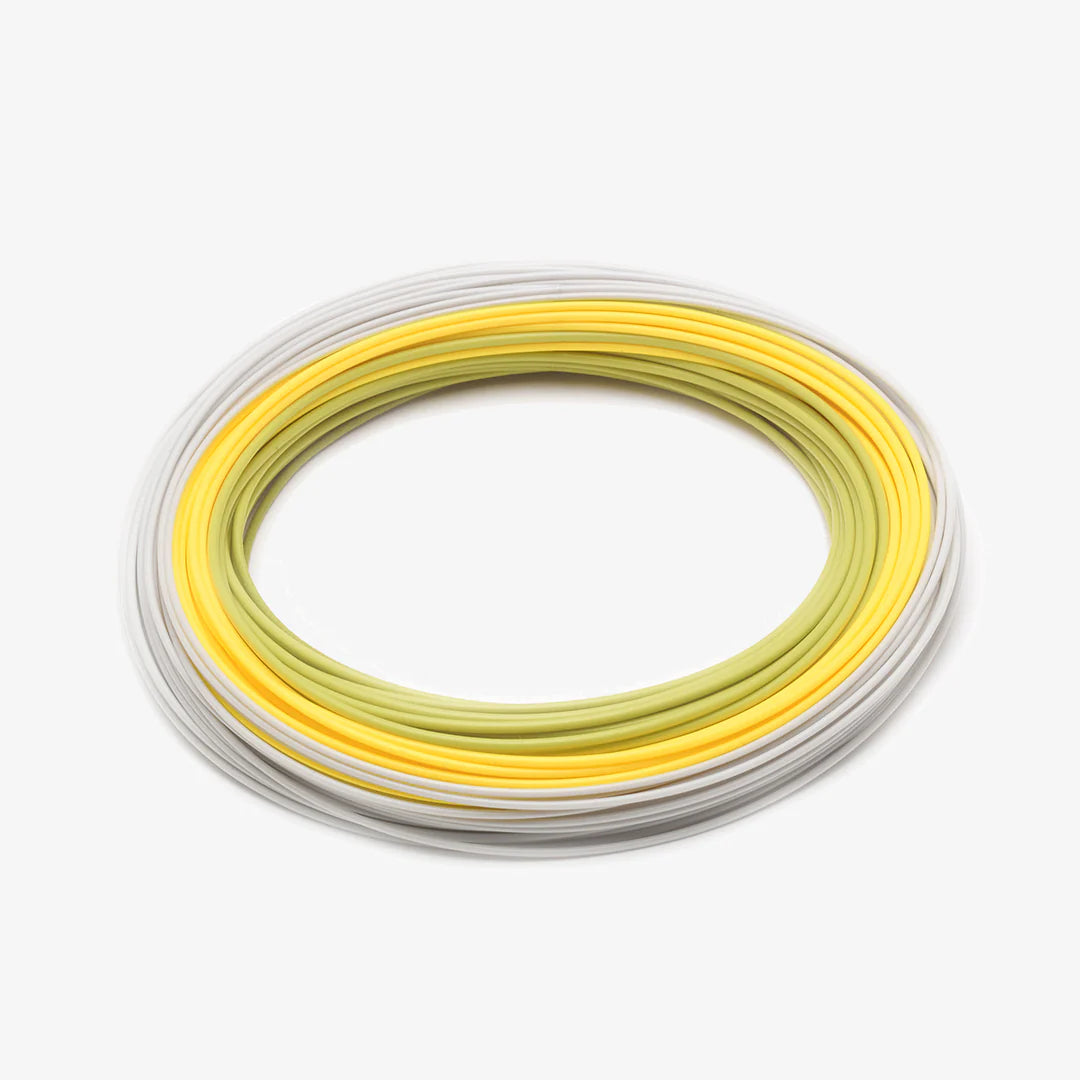
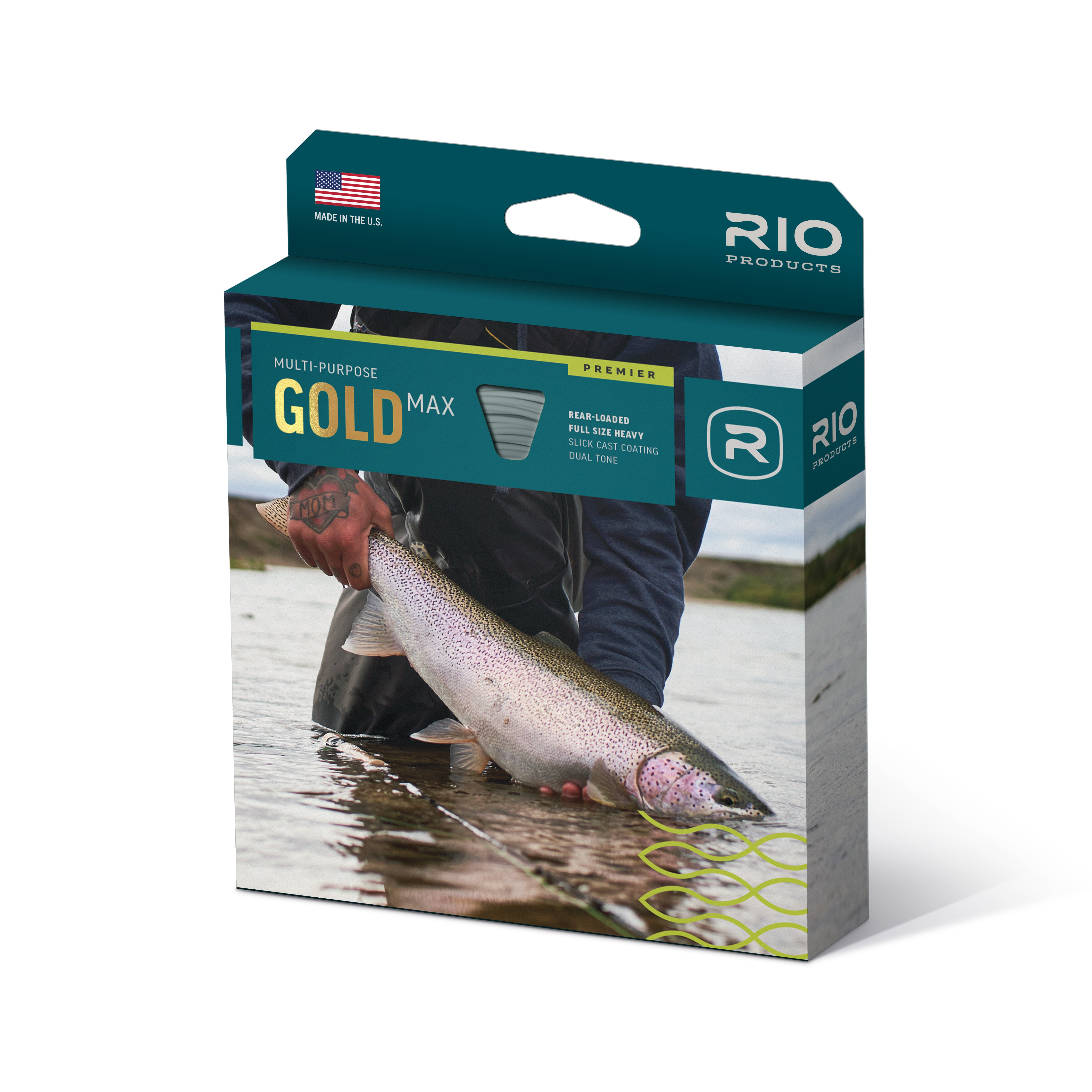
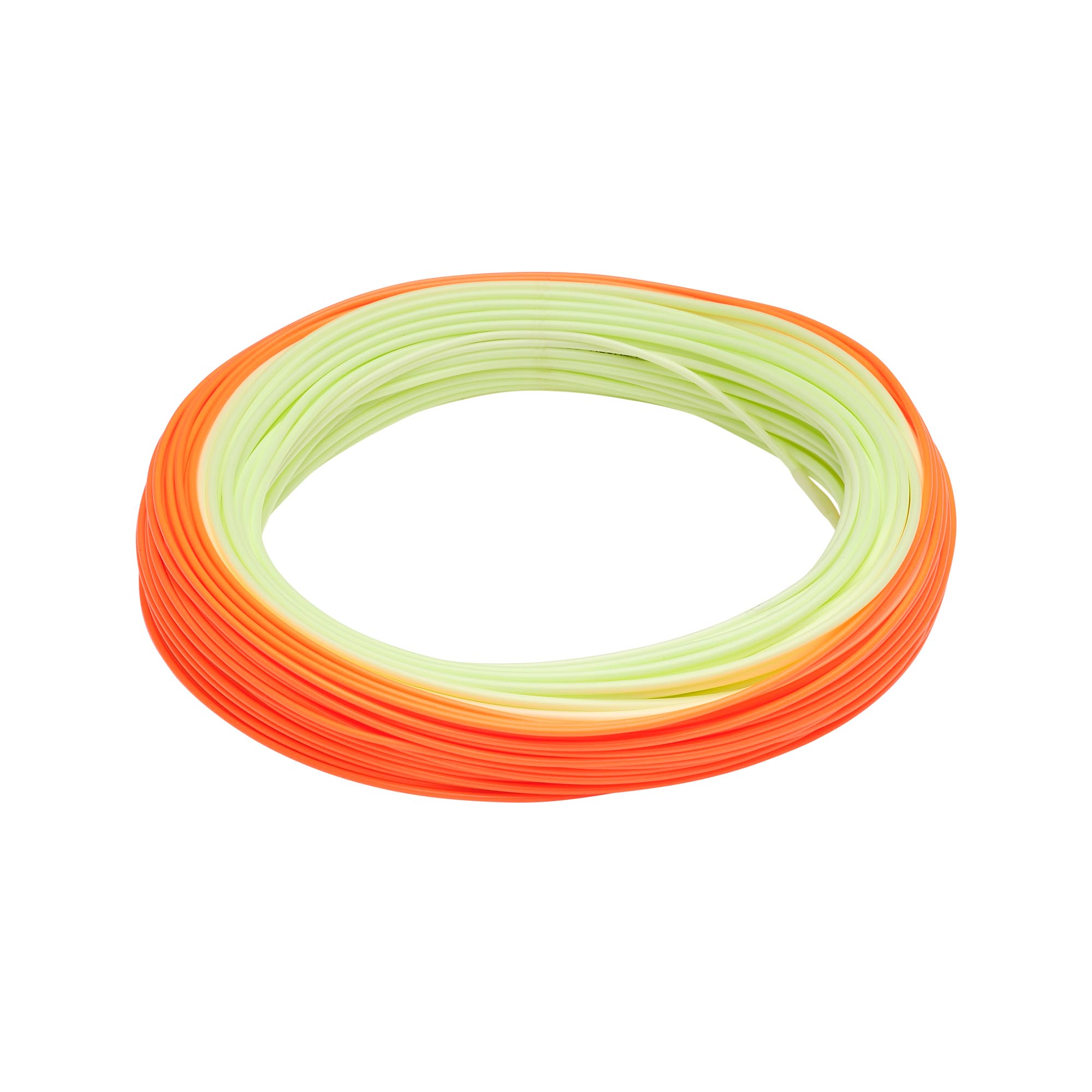
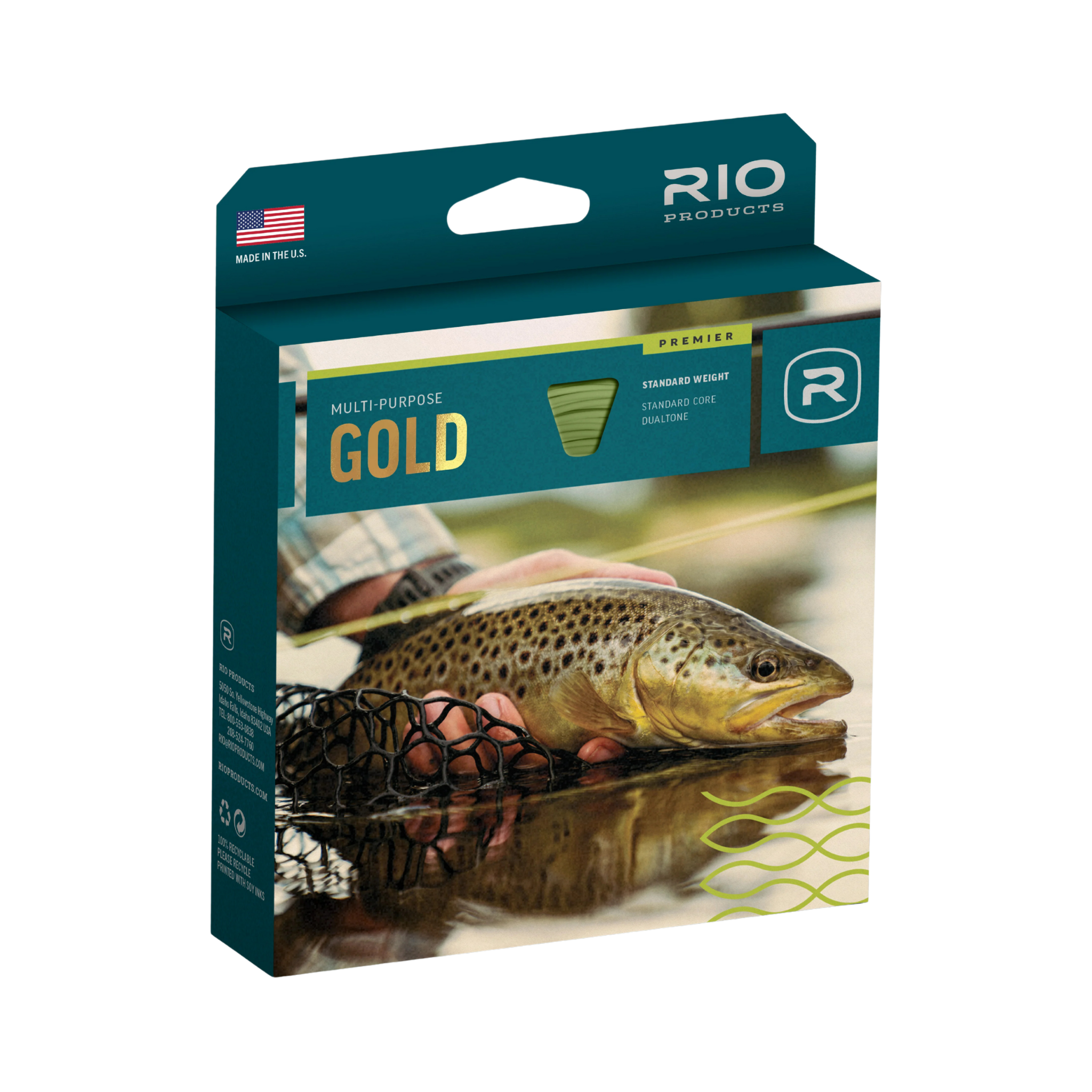
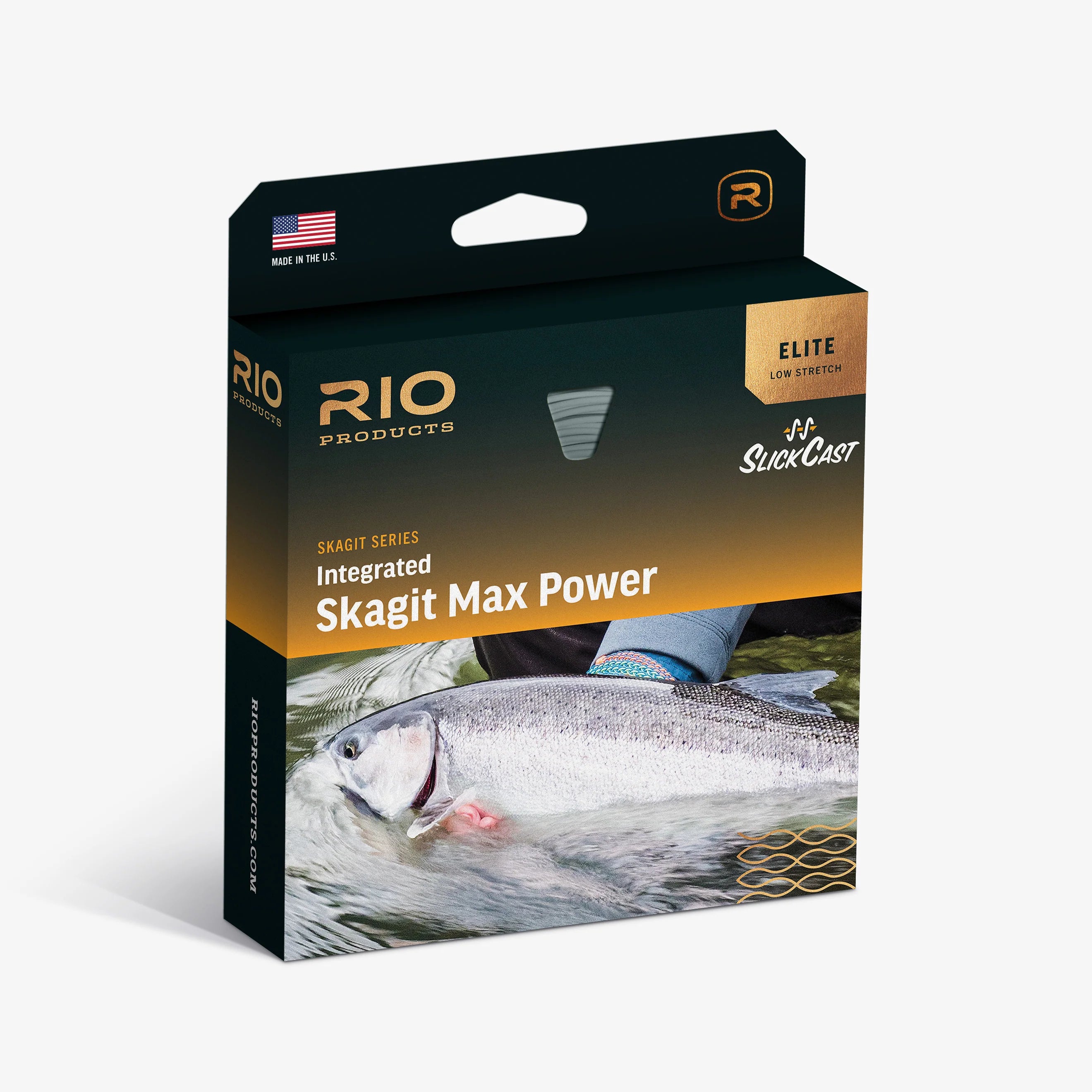
At a full line-size heavy, GOLD MAX is RIO’s most powerful all-around taper for delivering plus-size rigs that get bites in fisheries not centered around long leaders and tiny drys. With the shortest head length in the GOLD class, MAX is purpose-built for smoothly loading weightier, unwieldy payloads. The short head carries more weight toward the back of the body so anglers can turn over heavier rigs more efficiently, while the shorter front taper combined with tapered body roll-casts bulkier rigs with ease, mends effortlessly at distance and delivers large drys with finesse. For powerful versatility, GOLD MAX lets you cast more weight under control, while also allowing for presentations decidedly cleaner than overly front-loaded line configurations.
Pickup available at San Francisco
Usually ready in 1 hour
Rio Elite Gold Max Fly Line
4wt / Green/Orange
San Francisco
540 Jackson St
San Francisco CA 94133
United States
Fly Line Anatomy
If you handed me $150 and told me to buy a rod, reel, and line—would I really spend $100 of that on the fly line? Absolutely. I would spend $100 on the fly line and find a rod and reel at a garage sale for the other $50.
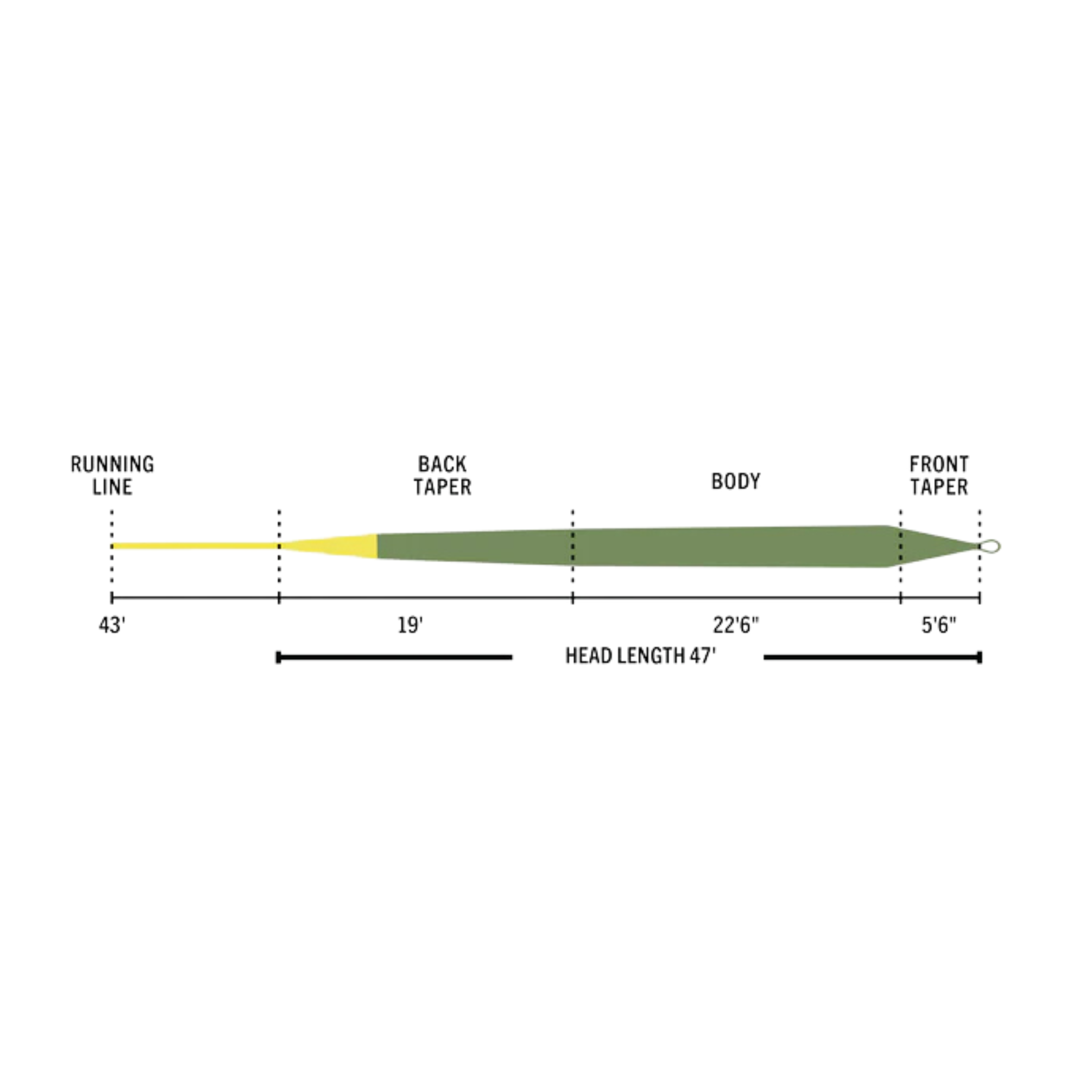
Understanding a fly line starts with five key components. Learn to read a taper diagram and you will know exactly what any line is designed to do before you ever spool it up.
- Head Length — The thicker, heavier section you actively cast. Determines how much line you can false cast or control on the water while mending.
- Taper — How weight is distributed along the head. The front taper controls presentation; the rear taper controls turnover and mendability.
- Mass/Weight — How heavy the head is, measured in grains. This weight loads (bends) the rod during the cast and provides the force needed to deliver the fly.
- Density — Whether the line floats or sinks. Controls the depth at which your fly is presented in the water.
- Core Composition — The material inside the line. Determines whether the line stays supple in cold conditions or firm in heat.
The label on the box—for example, WF5F—tells you: Weight Forward | 5-weight | Floating. But as we will explore below, there is far more to a fly line than three characters on a box.

Head Length: Choosing the Right Size for How You Fish
The head is the thicker, heavier part of the fly line that you actively cast. The running or shooting line is thin and designed to slip easily through your guides. Average head length is about 45 feet today—longer heads are above this, shorter heads below. Here is how head length shapes your fishing:
Understanding Fly Line Tapers
Weight-forward and double taper are where most anglers’ understanding of tapers ends. But there is a much richer story in taper design that can be read directly off the taper diagram.
Tapers have exploded in variety since the advent of compound designs. At their core, tapers are simply how weight is distributed along the head. Weight near the front helps turn over heavy flies; weight toward the rear aids roll casting and accuracy.
One detail often overlooked: pay attention to where most of the head’s weight lives. A line built heavy toward the rear behaves very differently from one built heavy near the tip—even if they share the same line-weight label on the box.
Front Taper vs. Rear Taper
Every taper has two halves, and each one does a different job.
The Front Taper
Controls presentation. The front taper determines how much energy hits the leader and fly.
Short Front Taper: Delivers a burst of energy to the leader—ideal for casting heavy bugs, streamers, or indicator rigs. You can soften the harsh presentation by pairing it with a long leader and a heavy butt section, which absorbs power and effectively extends the taper.
Long Front Taper (15–20 ft): Gradually decreases in mass and diameter. The loop speeds up as it unravels, turning over long leaders with great delicacy—the right choice for a size-18 PMD on Fall River. A poor choice for short casts or large, heavy flies.
The Rear Taper
Controls turnover and mendability. The rear taper determines how the line transitions from head to running line.
Short Rear Taper: Goes quickly from thick to thin—ideal for shooting line at distance, but poor for mending. Great for streamer fishing and big-water casting.
Long Rear Taper: Gradually steps up in mass toward the head. This allows better energy transfer through a mend and lets you carry more line in the air while casting. Essential for indicator fishing or any technique where long mends at a distance matter.
RIO Elite Gold Max
The taper on this line is exceptional. It roll casts like a champion because of the mass toward the rear of the head. It will throw streamers, indicators, dry-droppers, and even smaller dries with a 12-foot leader. It is a heavy line—fish the 4-weight label on a 5-weight rod if you have a softer rod or want a little less mass.
Scientific Anglers Trout Expert
A smooth 70-foot taper with a 15-foot buttery front taper that unravels with incredible elegance. A must-have for any stillwater or spring creek angler—think Fall River or Hat Creek, where a delicate presentation is non-negotiable. A poor choice for short casts or heavy flies.

Scientific Anglers Anadro
A 60-foot, weight-forward head with a short front taper and a really long back taper makes the SA Anadro a top choice when drifting with indicators. The long rear taper lets you mend at distance—critical when keeping your indicator in the zone from a moving boat on big water.
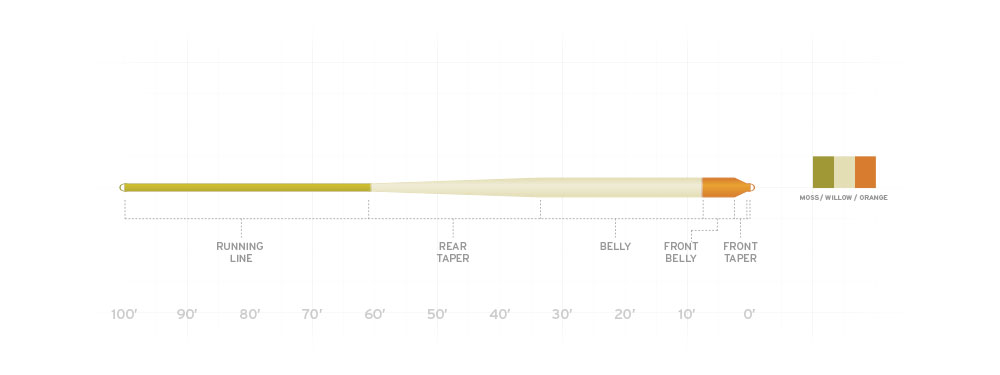
RIO Creek Line
A short, punchy head perfectly designed for short casts and flicking hoppers to alpine trout. If you spend your summers hiking into High Sierra streams or brushy foothill creeks, this line will outperform anything with a longer, traditional head. Loads the rod fast and gets your fly where you need it.

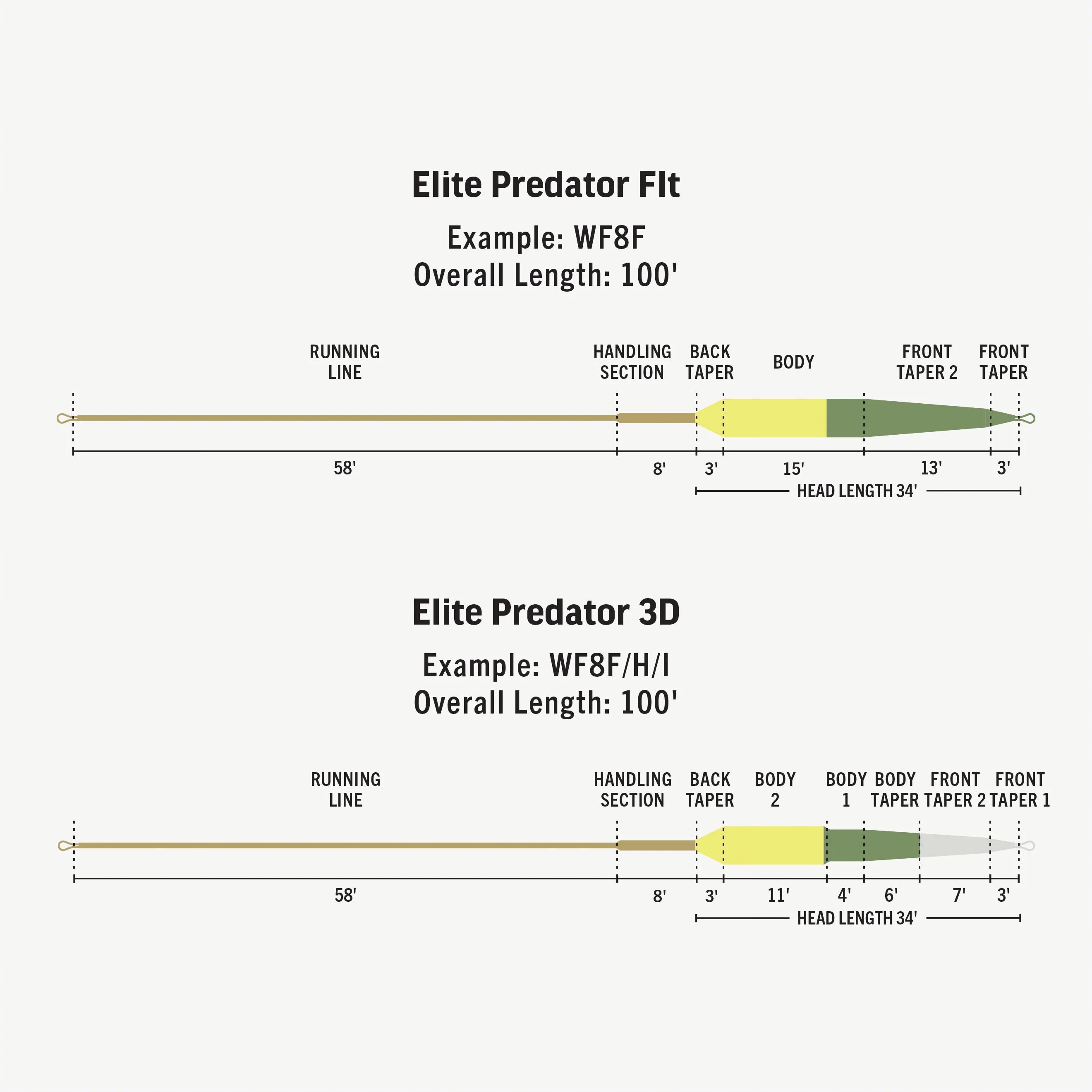
RIO Predator
A short, powerful head built to move heavy flies quickly. The weight balance is superb for roll casting your fly to the surface before your next cast. If you throw big articulated patterns on the Trinity or pursue big browns on the McCloud, the Predator is your line.
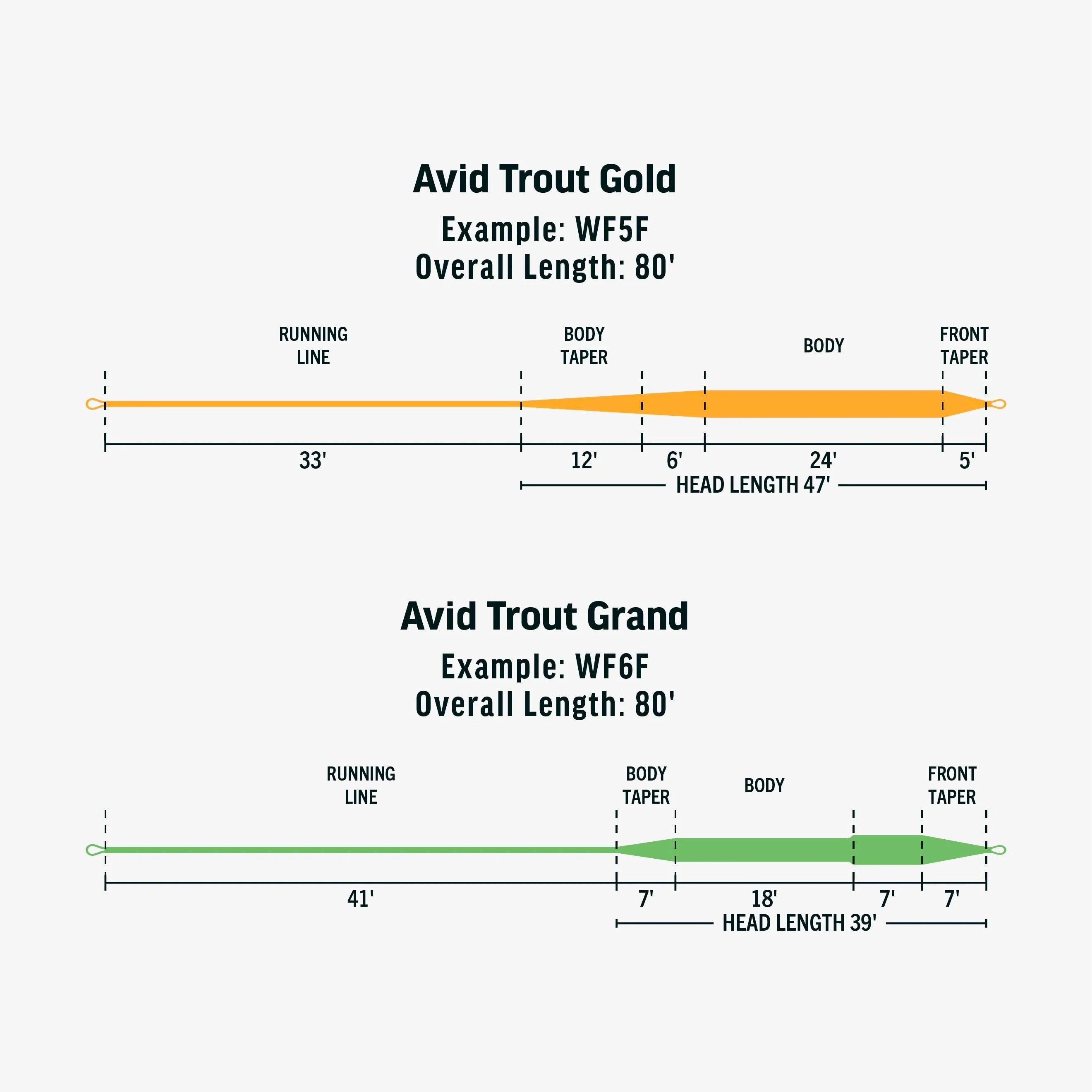
RIO Avid Trout Gold
The proven 47-foot head of the RIO Gold taper has caught a lot of fish—don’t overlook it. The SA Mastery series is equally worth a look, with nearly all their tapers available in a more price-conscious package. Great options for building a quiver or equipping a new angler.

Fly Line Mass and Weight
The weight of a fly line’s head determines how it feels when matched with your rod. Experienced anglers talk about grain weight—the weight of the first 30 feet of line, measured in grains.
In the past, a 5-weight line was always 134–140 grains. Today, many lines are made 5–13% heavier to better match modern fast-action rods. These heavier lines are typically labeled half-size or full-size heavy. If your rod is fast (stiff), you may prefer a heavier line. Heavier lines also help cast large or wind-resistant flies.
Why grain weight matters more than the label: Two lines labeled “5-weight” can feel completely different. One might be 140 grains and another 160+ grains—same label, totally different casting feel. You will free your mind if you stop thinking about lines by the weight on the box and start comparing actual grain weight.
- WF — Weight Forward taper
- 5 — Designed for a 5-weight rod
- F — Floating density
“More mass, more better” when casting heavy flies, poppers, or indicator rigs. Check the grain weight when comparing lines—it is the most honest data point on the box.
Fly Line Core Composition
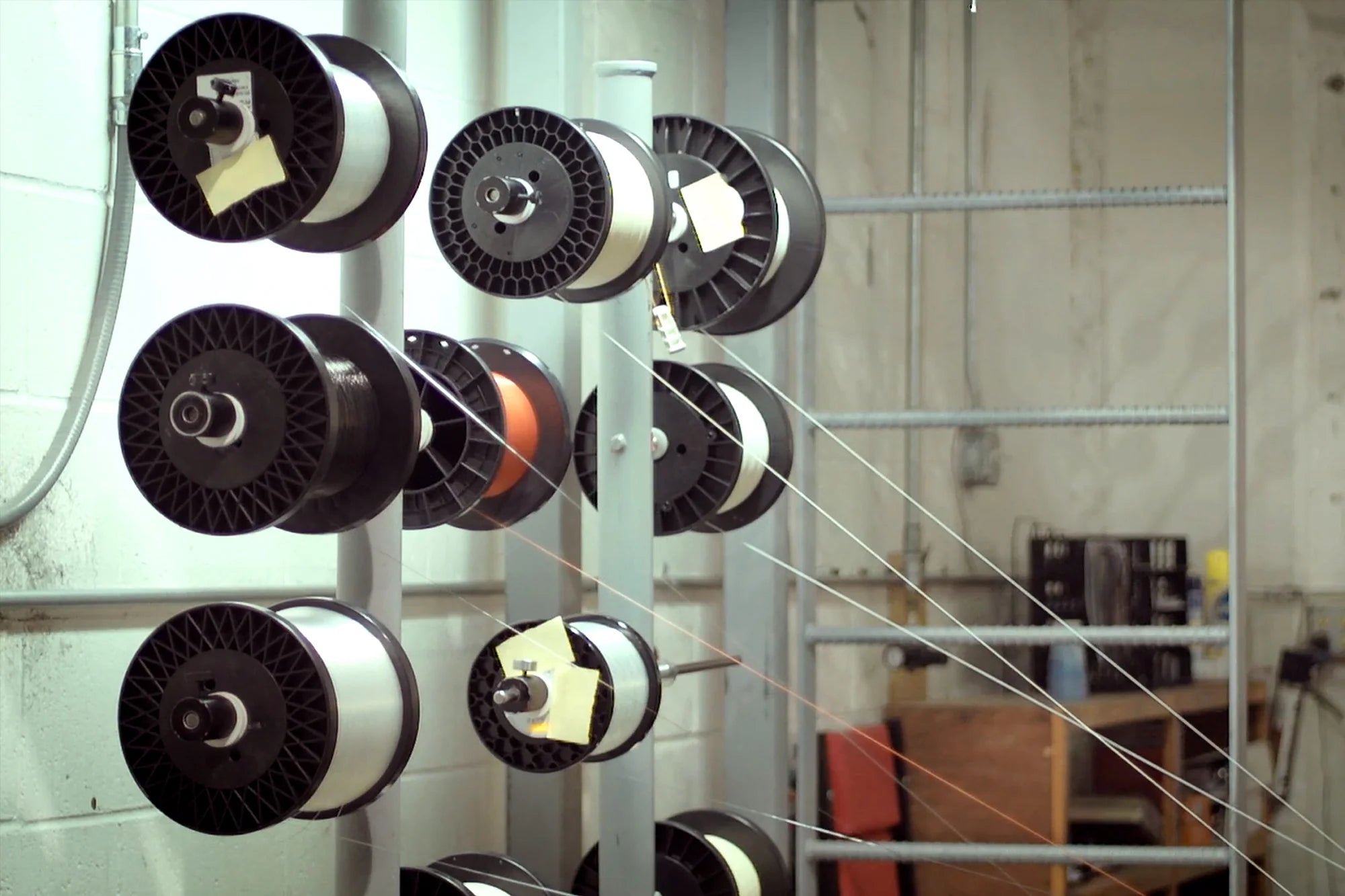
The core is the material running through the center of the fly line and controls how the line performs in different temperatures. The two main categories:
- Coldwater Core: Designed to stay supple and flexible in cold conditions—critical for early-season trout fishing when water temperatures are near freezing. A coldwater core line in cold water casts beautifully. That same line on a hot summer day will go limp and lose its ability to convey power. It will feel more like a wet noodle than a fly line.
- Warmwater Core: Maintains stiffness even in heat. I would much prefer a warmwater line in cold water over the reverse—stiff conveys power, limp does not.
Modern lines have gotten more sophisticated, with compound multifilament braids where the running line is built for a hot boat deck while the head is optimized for cold water.
For California trout fishing: Choose a coldwater core for early-season rivers like the Trinity, McCloud, or Pit. For summer lake fishing or boat days in Delta heat, a warmwater core keeps your line shooting true.
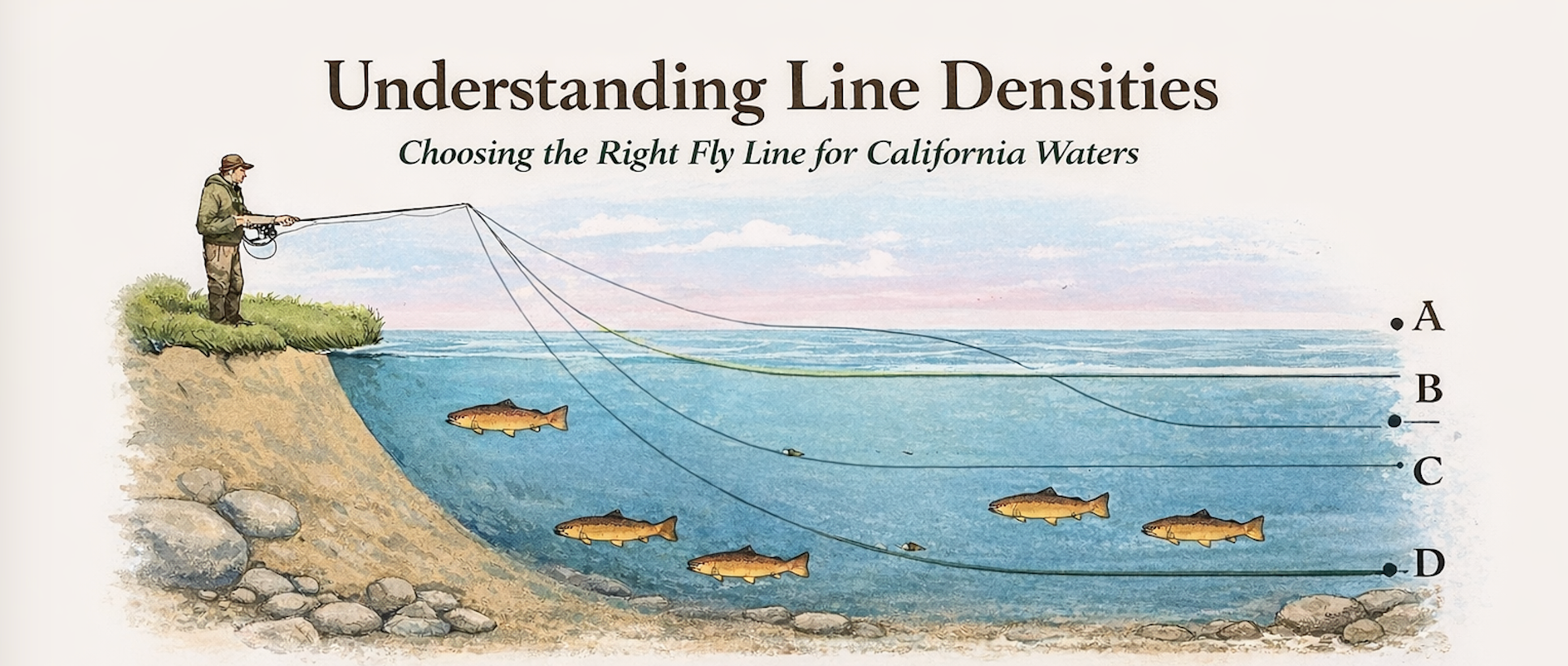
Floating vs. Sinking Fly Lines
A sinking 5-weight and a floating 5-weight have the same mass. The rate at which a line sinks depends on its density—a denser line is thinner and sinks faster. Most trout lines we sell are floating. Floating lines cover the most common trout tactics: dry fly fishing, dry-dropper rigs, and indicator nymphing.
Sinktip vs. full sink: A sinktip line has a floating body with 10–15 feet of sinking tip—preferred for rivers and lake shores, where you need the fly down but don’t want the main line hanging up in shallows. A full sinking line is better for deep-water boat fishing, where you want to hold your fly at a consistent depth throughout the retrieve. When you strip a full sinker, the fly stays at depth until it is almost directly below you.
Typically, the darker the line color, the more tungsten powder it contains—and the faster it sinks.
Sink Rate Options for Trout
The most common trout fly line is floating. Knowing when to reach for a sinking option will put more fish in your net.
Floating
Best for: Dry fly fishing, dry-dropper rigs, indicator nymphing
The workhorse of trout fishing. Floating lines cover the vast majority of tactics and are the right starting point for any angler. They are also easier to pick up and recast than sinking lines.
A dirty floating line is a sinking line. Clean yours regularly.
Sinks at 0.5–2 IPS
Best for: Stillwaters, spring creeks, soft-hackles in slow runs
Fishes just below the surface film—great for stillwater trout feeding subsurface but not deep. Also excellent for swinging wets and soft-hackles in slower spring creek currents. A solid second line for the stillwater angler.
Sinks at 3–4 IPS
Best for: Streamers in moderate current, deeper lake edges
Gets your fly down quickly in moderate current without the fight of a faster-sinking option. A versatile choice for river streamer fishing on larger rivers like the Sacramento or Trinity without pinning your fly to the bottom.
Sinks at 5–6 IPS
Best for: Deep lakes from a boat, fast-water streamer fishing
When you need your fly to hold depth through a full retrieve—say, trolling a leech at 8 feet in a stillwater—the Sink 6 is the right tool. Strip in and the fly stays at depth until it is almost directly below you. Best used from a boat or float tube in open water.

Common Fly-Line Mistakes
After years behind the counter, these are the four fly-line mistakes we see over and over—and every one of them is avoidable.
Best Trout Fly Lines by Fishing Style
After years of fishing and fitting customers for fly lines, here are our top picks by scenario. These are not generic recommendations—they are the lines our guides and staff actually fish on California rivers and stillwaters.
Does Fly Line Color Matter?
Lines today come in every imaginable color—and there is no shortage of strong opinions about which color spooks fewer fish.
When I first traveled to New Zealand, I expected to need a camouflaged line. The guides I fished with were not bothered by my brightly colored line at all—they only cared that I could cast well enough to turn over a 15-foot leader and keep the fly line out of the fish’s field of vision.
Scientific Anglers has taken the concept further with their Magnitude Fly Lines series—totally clear and clear-tipped floating lines. The idea: with a shorter leader (easier to turn over), you can still make a stealthy presentation to wary fish on pressured spring creeks.
Bottom line: Good presentation and accurate casting will always matter more than line color. If you are on a pressured spring creek and every edge counts, a clear tip is worth experimenting with.
Does Fly Line Color Matter?
Lines today come in every imaginable color—and there is no shortage of strong opinions about which color spooks fewer fish.
When I first traveled to New Zealand, I expected to need a camouflaged line. The guides I fished with were not bothered by my brightly colored line at all—they only cared that I could cast well enough to turn over a 15-foot leader and keep the fly line out of the fish’s field of vision.
Scientific Anglers has taken the concept further with their Magnitude Fly Lines series—totally clear and clear-tipped floating lines. The idea: with a shorter leader (easier to turn over), you can still make a stealthy presentation to wary fish on pressured spring creeks.
Bottom line: Good presentation and accurate casting will always matter more than line color. If you are on a pressured spring creek and every edge counts, a clear tip is worth experimenting with.
Frequently asked questions
-
For most California trout fishing, a 4-weight, 5-weight or 6-weight floating line is the right starting point. A 4-weight is better for delicate presentations on pressured spring creeks; a 5-weight handles more conditions, including wind, heavier flies, and big-water nymphing. Match your line weight to your rod.
-
Start with a floating line. Floating lines cover dry flies, dry-droppers, and indicator nymphing—which together account for the vast majority of trout fishing. Add a sinking or sinktip line if you frequently streamer fish or work stillwaters from a boat or float tube.
-
WF = Weight Forward taper. 5 = designed to be cast on a 5-weight rod. F = Floating density. A WF5S would be a sinking line; WF5I would be intermediate sinking.
-
Clean your fly line every few outings, or whenever you notice it no longer rides high or shoots smoothly. Use warm water and a drop of Dawn dish soap on a soft cloth, then apply a fly line dressing like RIO’s AgentX. A clean line floats better and lasts longer.
-
Grain weight is the actual mass of the first 30 feet of a fly line, measured in grains. Two lines labeled “5-weight” can differ by 20+ grains and feel completely different on the same rod. Fast-action rods often perform
better with a slightly heavier line than the label suggests—grain weight lets you compare accurately. -
For pressured spring creeks, you want a line with a long, delicate front taper and a long head for mending at distance. The Scientific Anglers Trout Expert is an excellent choice. Pair it with a 14–16 foot leader tapered to 6X or 7X tippet.
Just how important is the type of fly line you use? Pretty darn important! The right fly line can make your day on the water so much easier; just as the wrong fly line can ruin it. With the advent of new fly rod technologies have come the need for specialty and more advanced fly lines. Manufacturers like Scientific Anglers, RIO, and Airflo have stepped up to meet the challenge. Now it seems there is a specific fly line for every type of fly rod and every type of fly fishing situation. But basically there are still three main groups of fly lines: floating, sinking, and Spey. As you start looking into floating fly lines you will find weight forward lines, double taper lines, and specialty lines that are a derivation of the two. In sinking lines there are sink tips, partial and full sinking, as well as shooting heads. Spey lines, well talk about special! In our product descriptions, we have provided all the necessary information to take the guesswork out of which fly line you should be using for which fly fishing condition, if you fall prey to fly line confusion, just remember we are just a phone call away.