







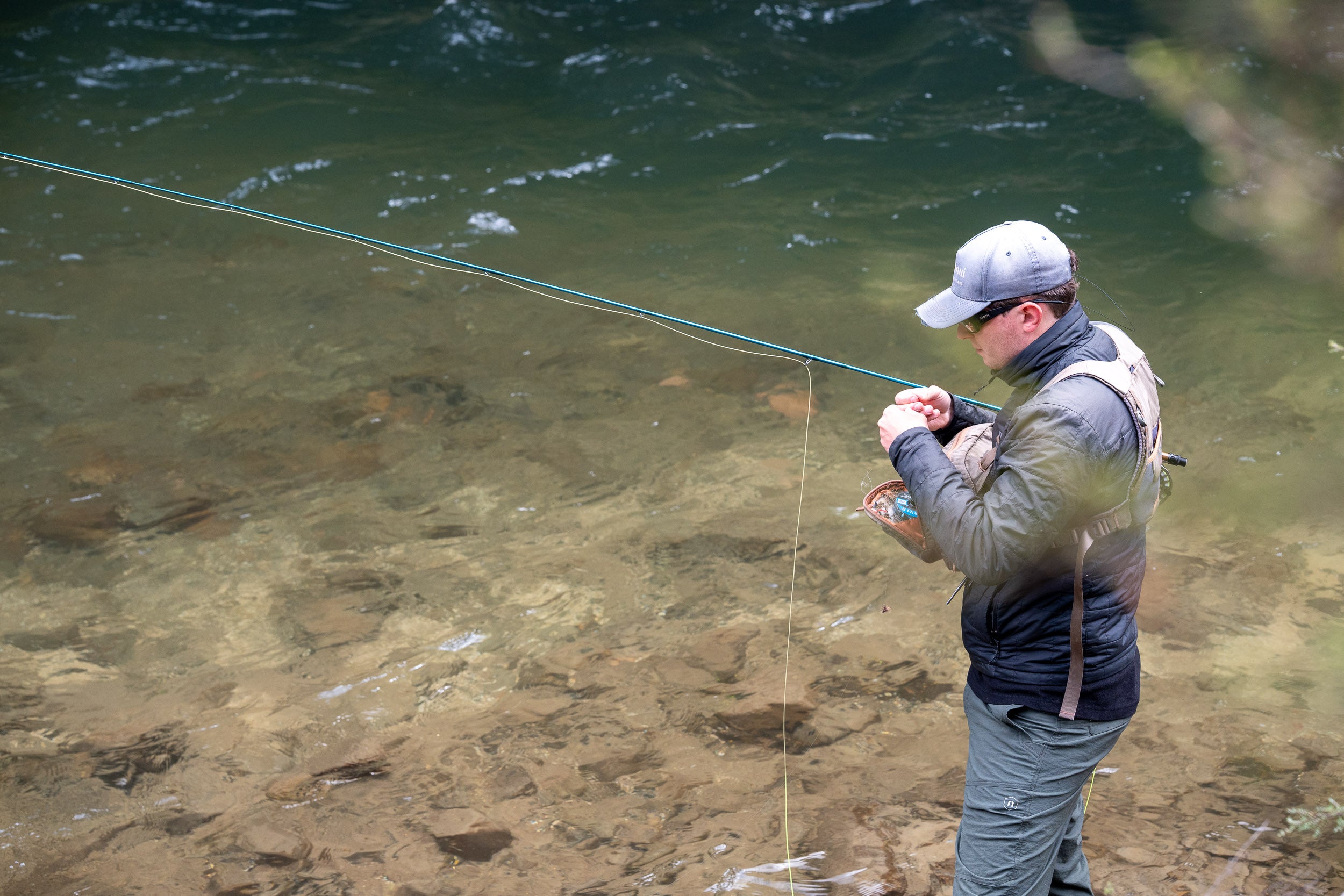
The Hyper-capable 5wt You've Always Wanted
Having an extra 6" in length, compared to a standard 9 footer, offers a significant upgrade
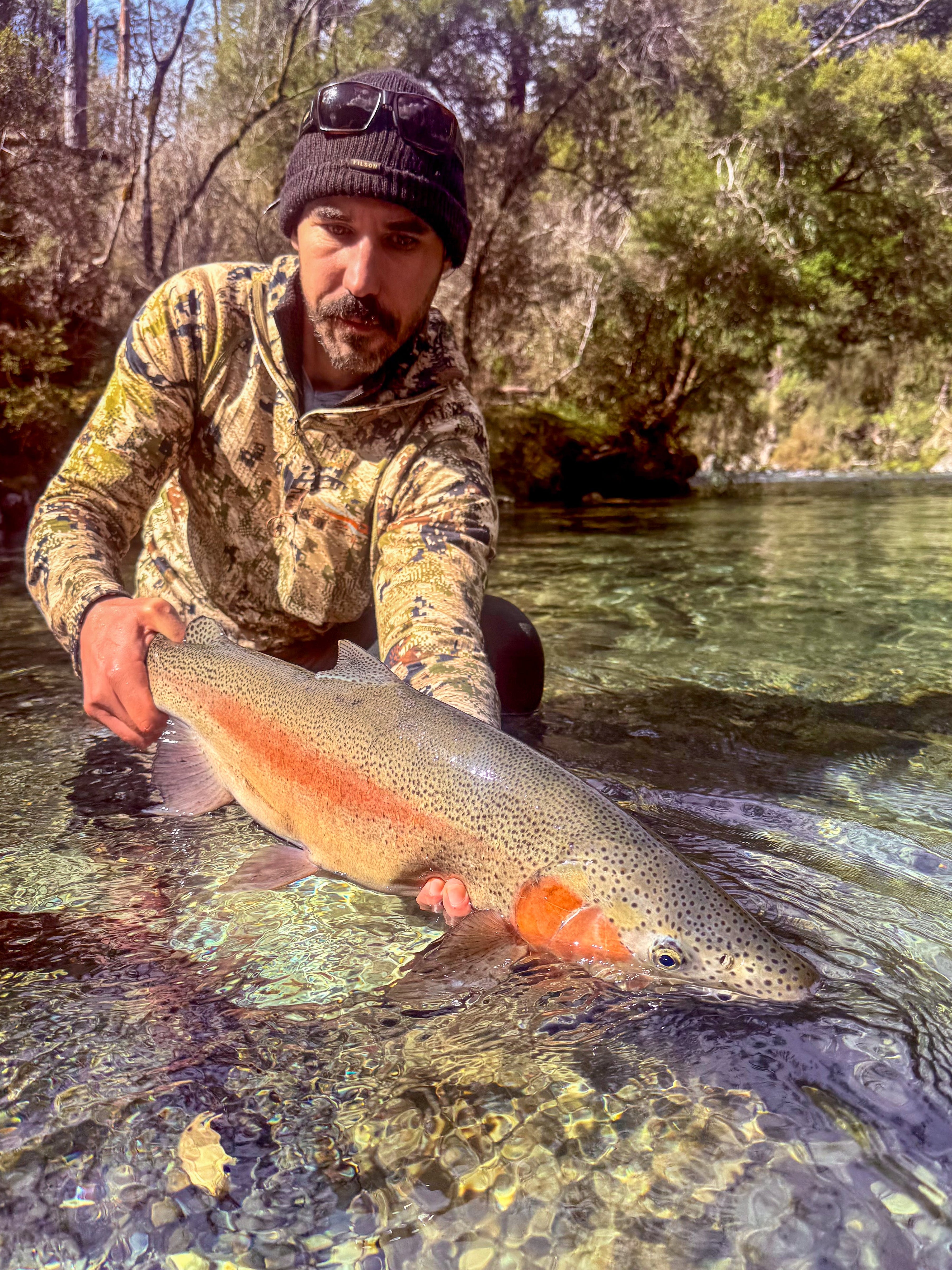
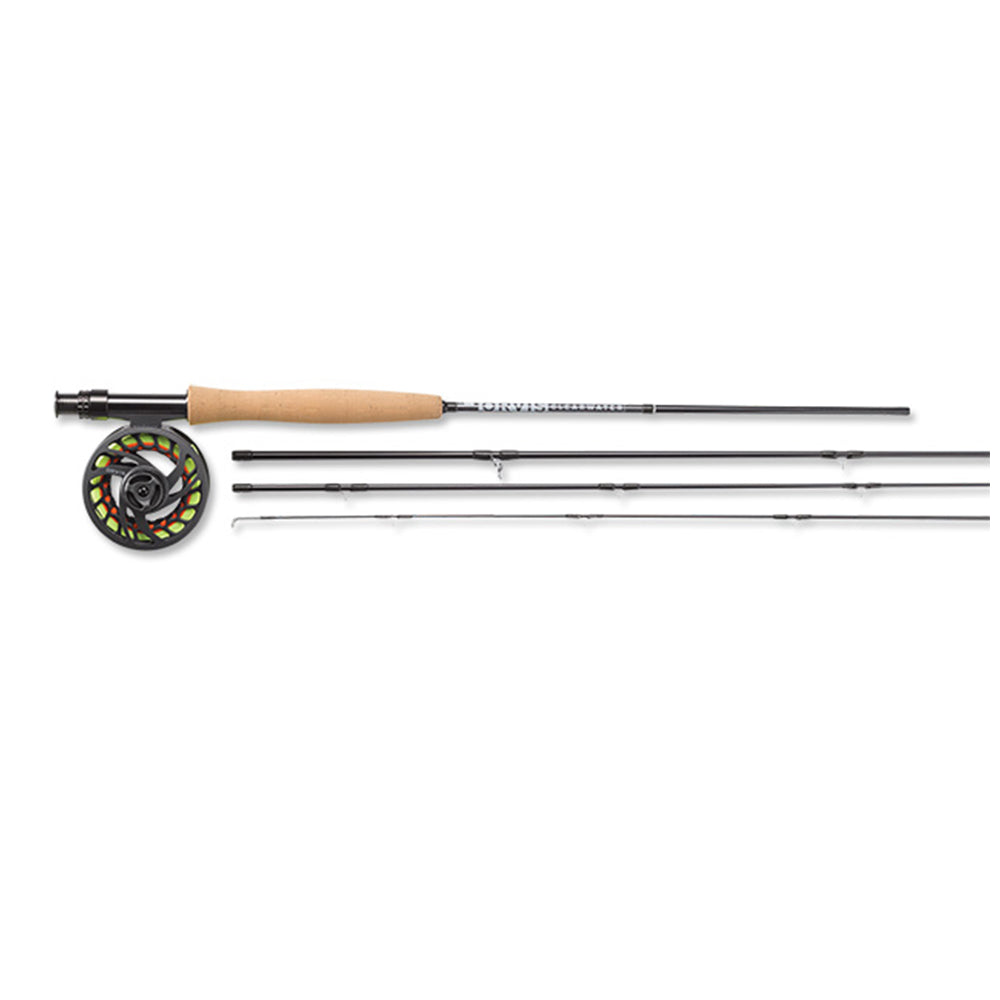
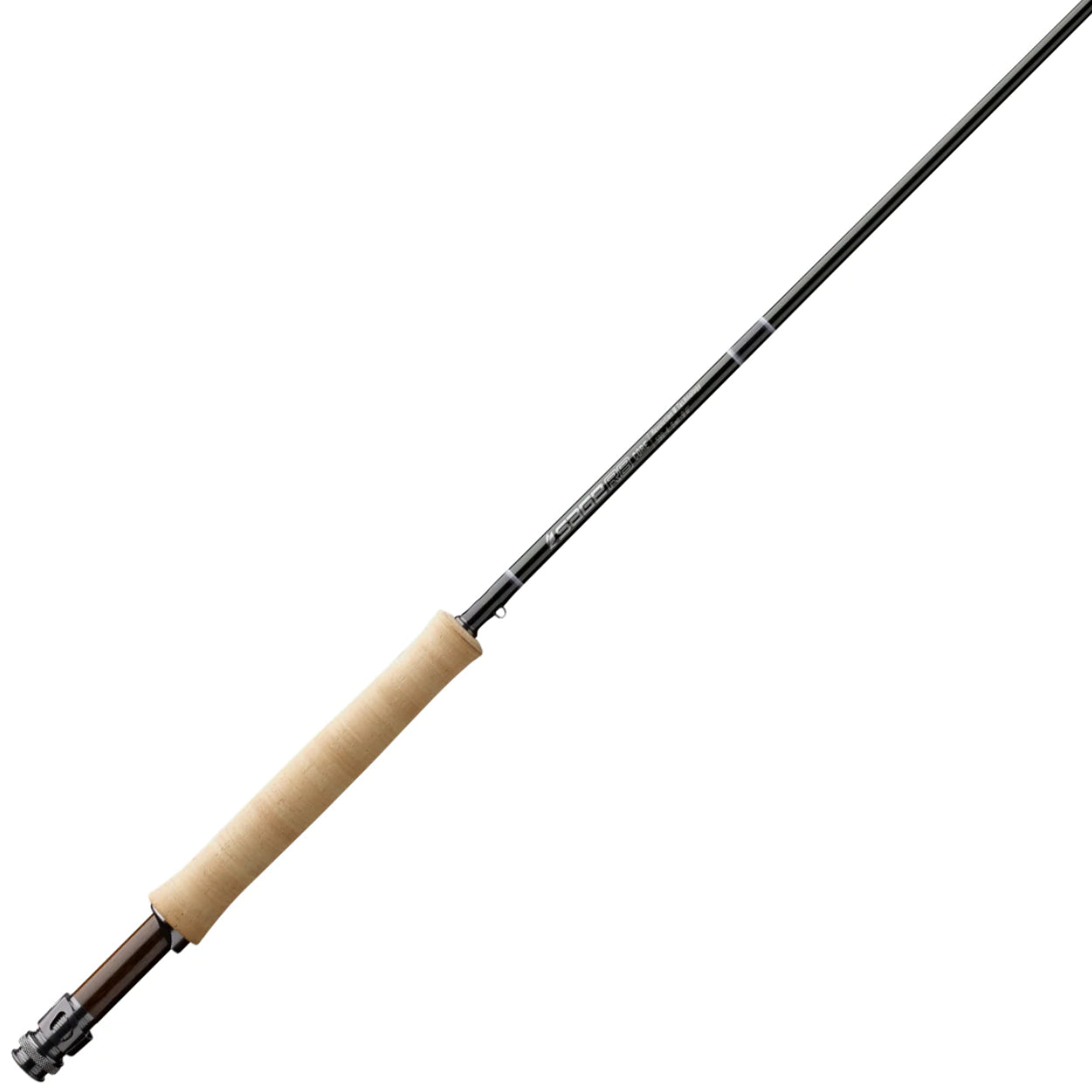
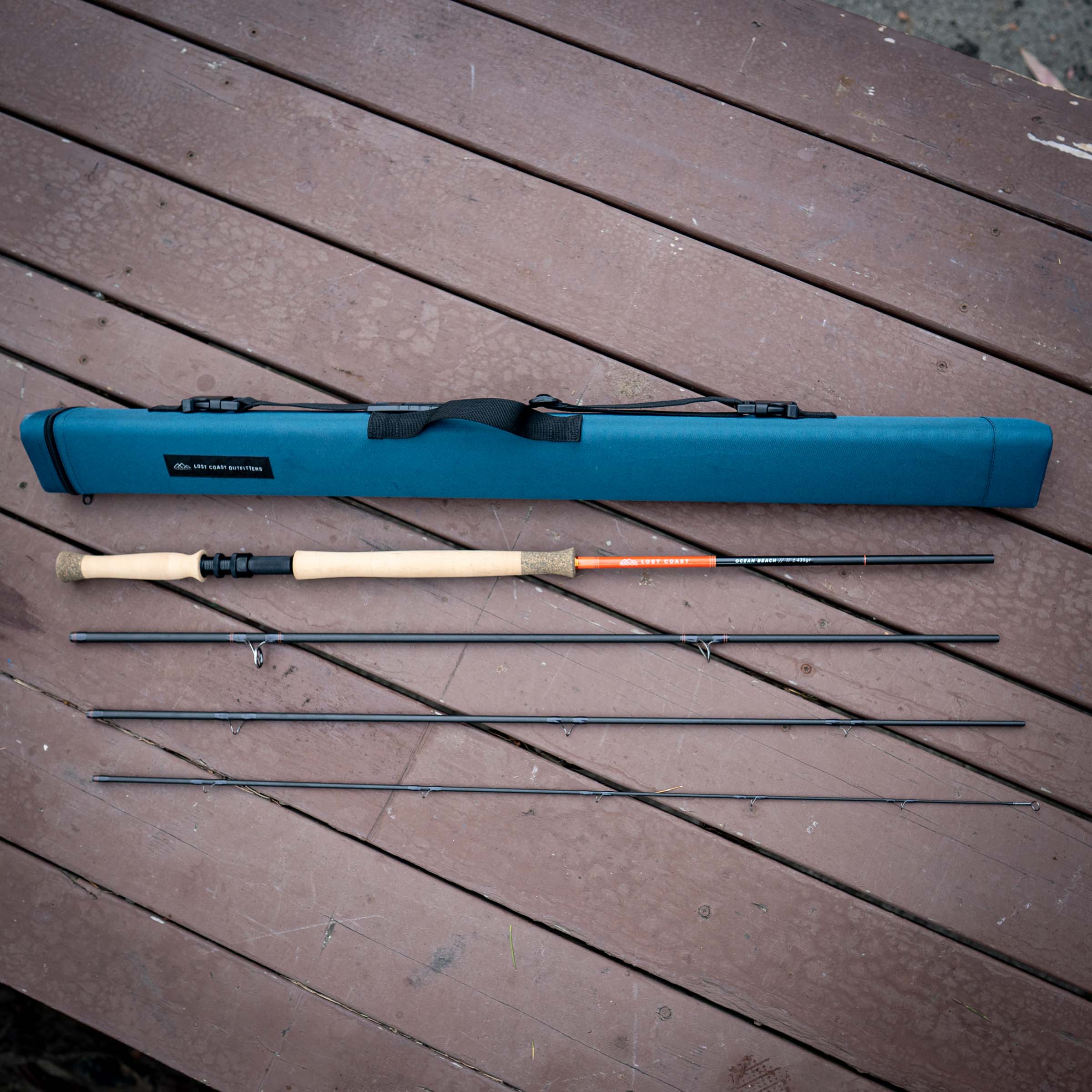
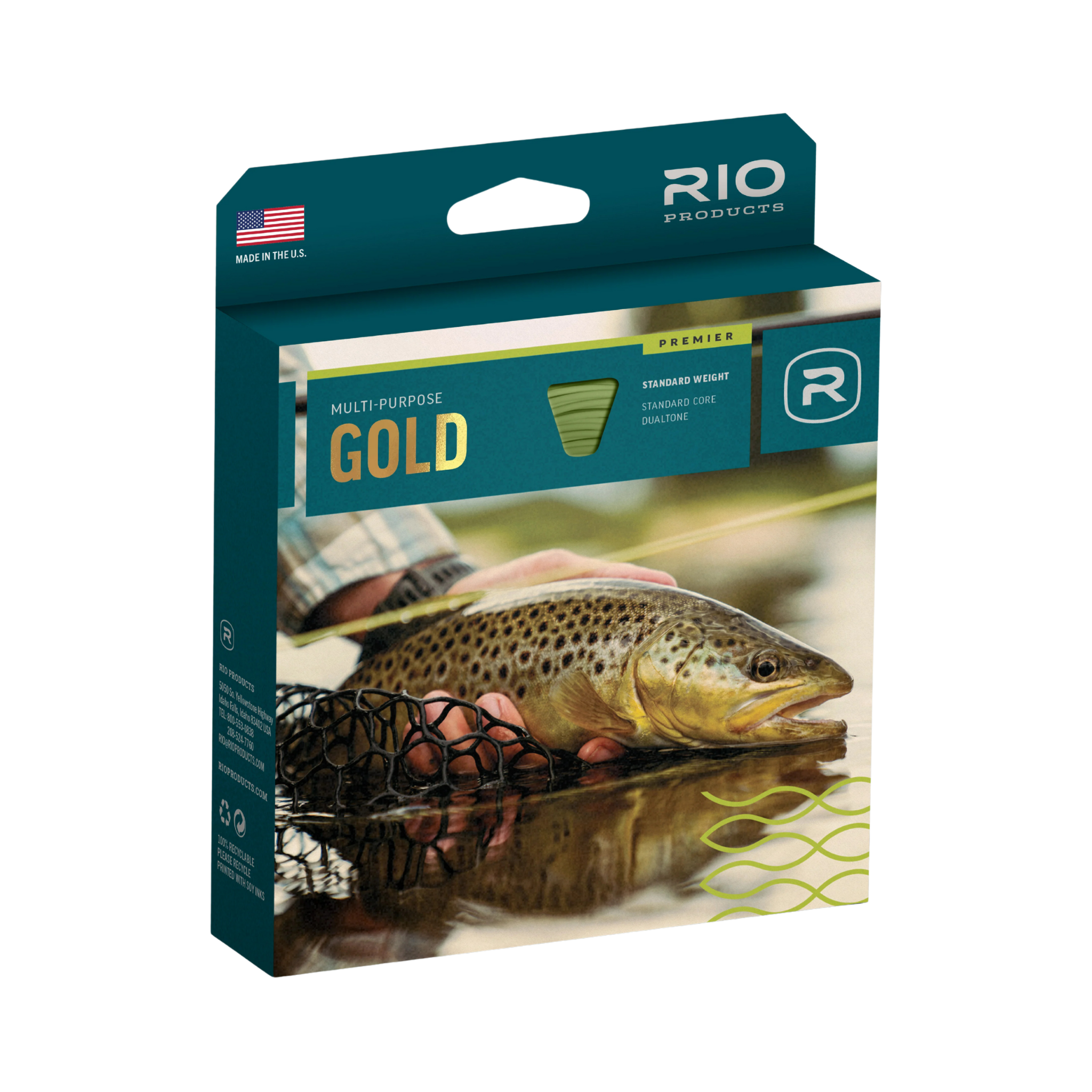
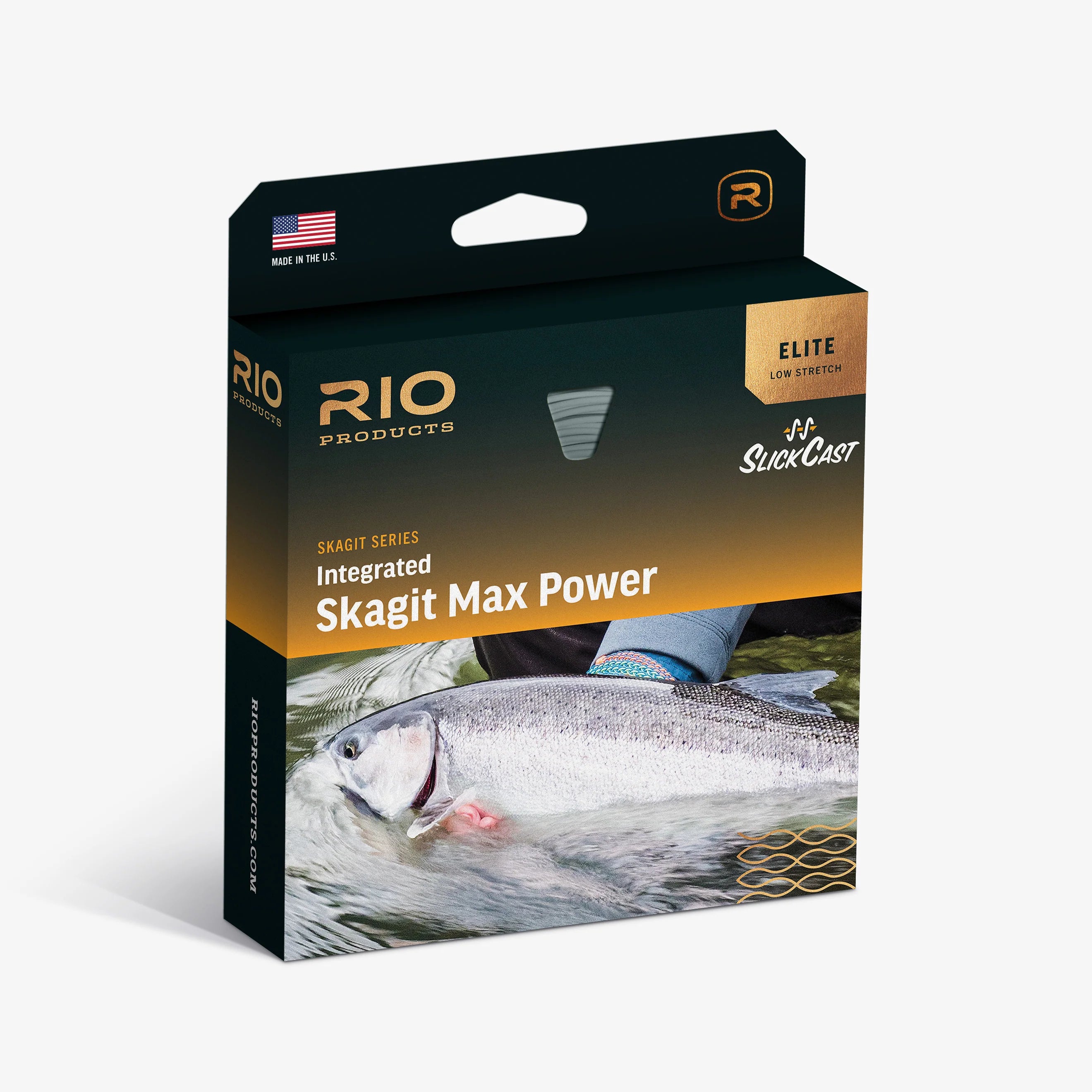
Rod Configuration | 9’ 6” 5wt | I’ve long said the 10’ 4wt is the all-around trout rod. A trip to New Zealand had me seeking more accuracy overhead and extra heft for streamers. After trying 20 rods, I chose a 9’6” 5wt Sage R8 for its pleasant, effortless action. Not too fast, not too slow. Paired with the Rio Gold Max Fly Line, it’s a dream setup—excelling with dries, nymphs, streamers, and fighting fish. No need to spend $1,000: Scott's Session is less, and Redington’s EDC offers great value. Explore sub-9'6" 5wt's.
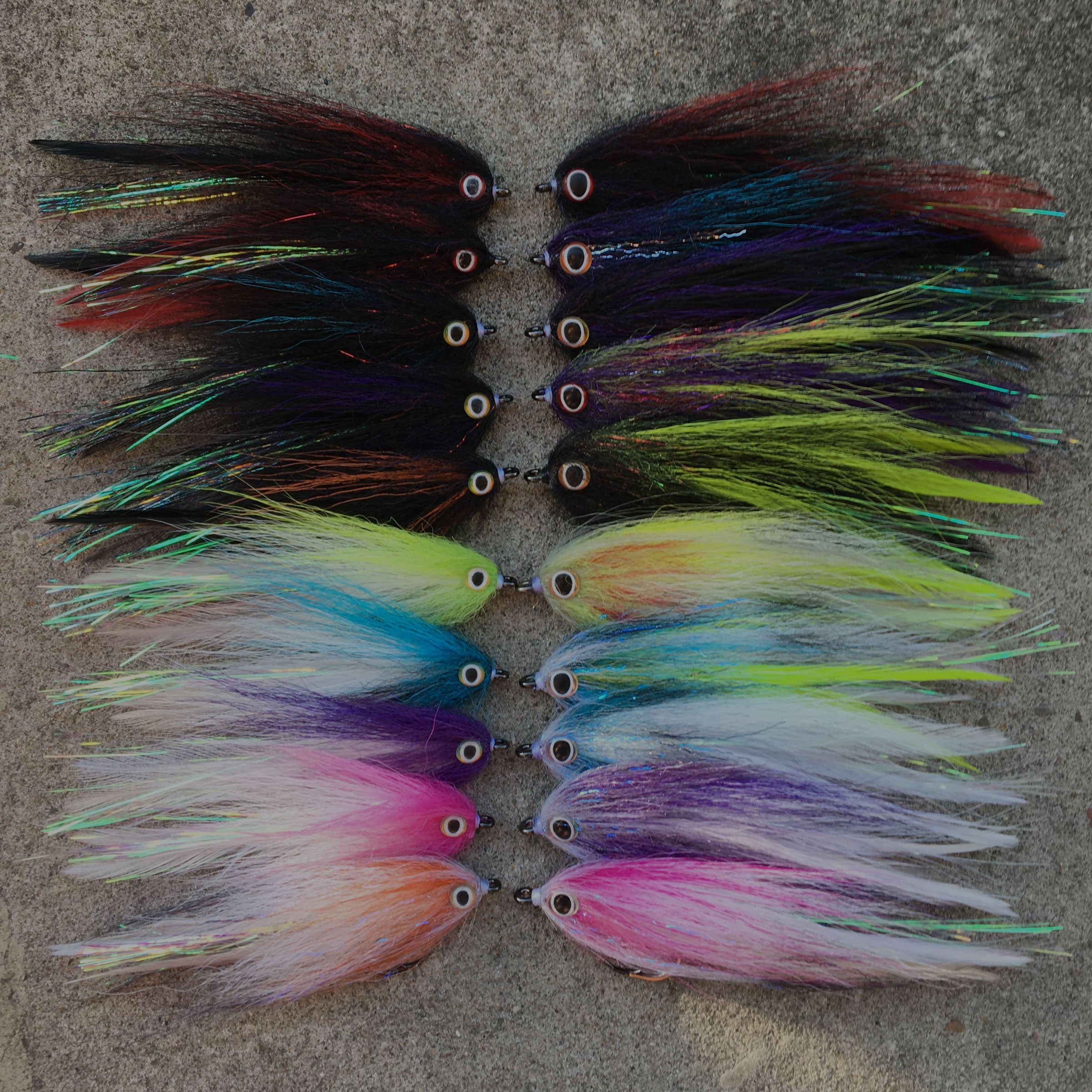
Contrary to initial thought, a longer rod is often the better choice on tight trout streams, where roll casting is more common that long overhead casts--sound like anywhere you know in Nor Cal? Having an extra 6" in length, compared to a standard 9 footer, offers a significant upgrade in rollcast ability and easier line control once your fly has hit the water. The 10' 4wt is the king of roll casting, but the hyper-capable 9'6" 5wt does much of the same work turning over bobber rigs and offers more delicacy than its cousin. Instead of switching rods when the evening hatch pops, just switch leaders and be confident in this configuration to deliver small dries where they need to be. If you need to toss some meat, this model has you covered too. The extra backbone of a rod that is almost a hybrid 6wt means throwing a sink tip and a Sparkle Minnow is no problem.
Sage R8: Crisp, but buttery action with a feathery-light tip and quick recovery transfers maximum energy, smoothly into the fly line. A high performance race car that will do anything you ask of it from hucking streamers to 6X during a spinner fall.
Scott Session: A bit softer than the R8, the Session is easy casting with enough touch to drop a dry fly on a dime, but all the power needed to turn over a double nymph rig or a big dry/dropper in the wind. It's hard to find fault in this rod from performance to price point.
Redington EDC: The only one of the three without a fighting butt and featuring a cigar grip, the EDC is a good choice for smaller hands. This rod is soft in the tip and stiffer in the butt. That translates to the necessary power to toss heavy rigs and solid dry fly presentation ability too.
Why We Prefer a 9'6" 5-Weight
- Better line control on rivers
- Easier mending at distance
- Improved indicator nymphing
- Better dry-dropper performance
- More efficient roll casts
- Longer hook-setting range
- Still light enough for dry fly fishing
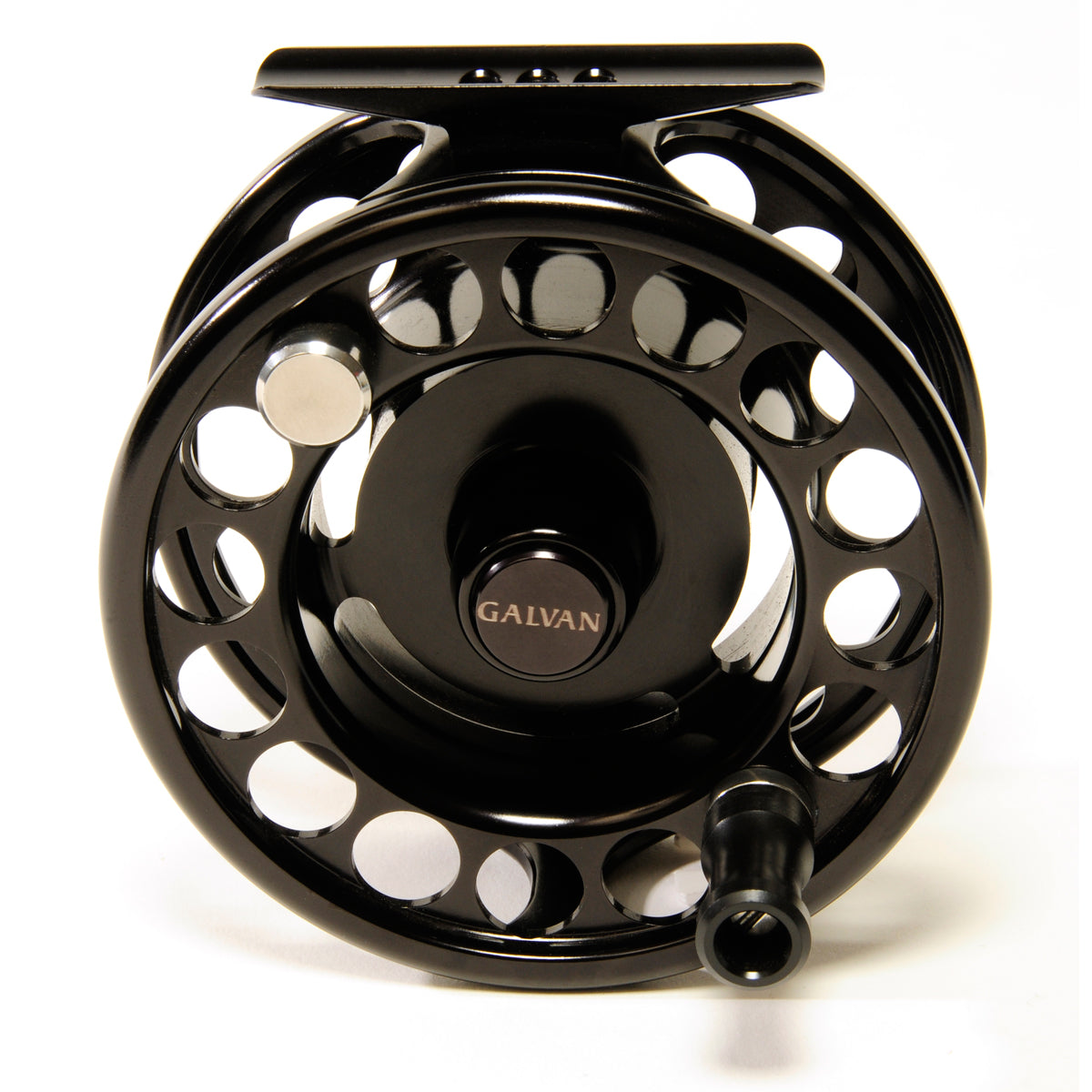
Build Your Balanced 596-4 Outfit
Choose one item from each category to create your perfect bundle.
Step 1 of 3
Fly Rod


Step 2 of 3
Fly Reel


Choose a retrieve to continue.
Step 3 of 3
Fly Line


Frequently asked questions
-
For most river anglers, yes. The extra six inches provide better mending, longer drifts, and improved line control without sacrificing the versatility that makes a 5-weight the standard trout rod.
-
A 9'6" 5-weight excels at indicator nymphing, dry-dropper fishing, dry flies, swinging soft hackles, and streamer fishing.
-
Yes. The longer rod helps anglers mend line more effectively and manage drifts, making it easier to achieve consistent presentations.
-
Most anglers will be happiest with a heavyweight trout taper with some rear weight such as a Rio Gold Max or similar all-around trout line.
-
Western trout anglers, Dry-dropper anglers, Indicator nymphers, Anglers fishing the Truckee, Upper Sac, McCloud, Yuba, and Madison. Anglers wanting one rod to do everything
