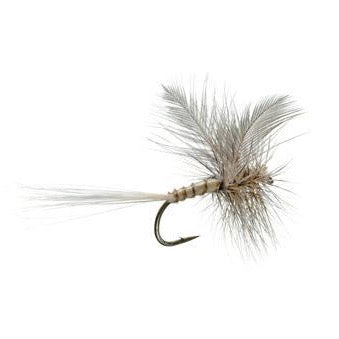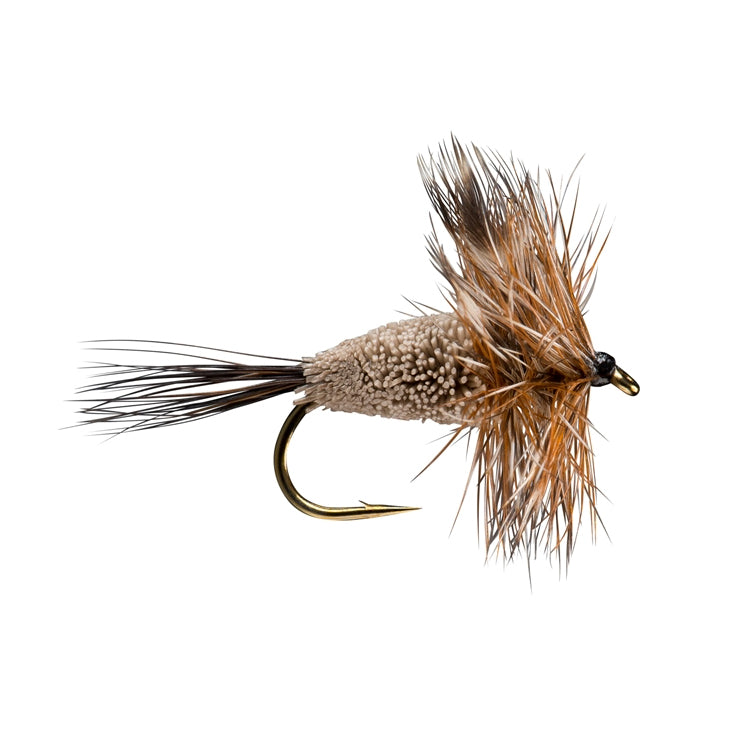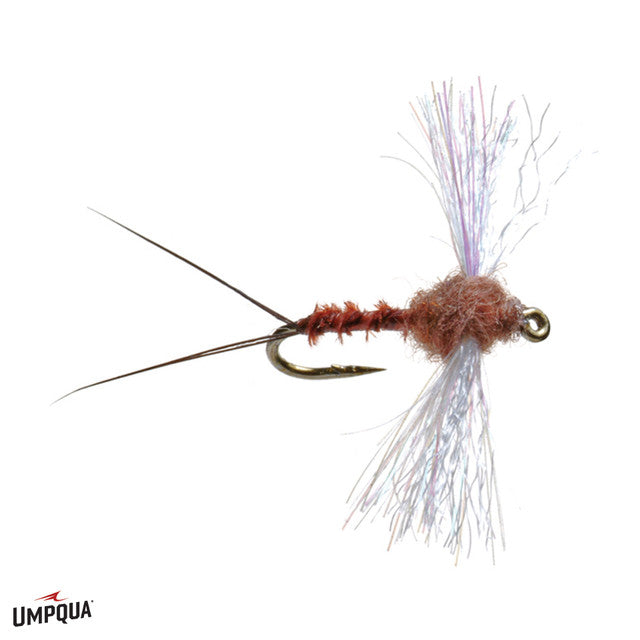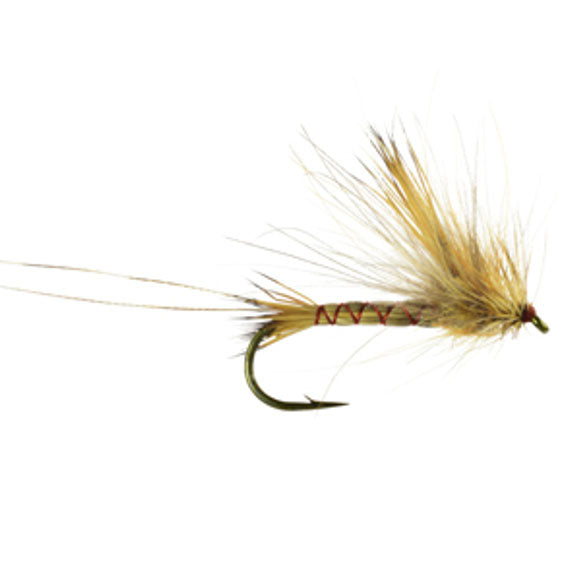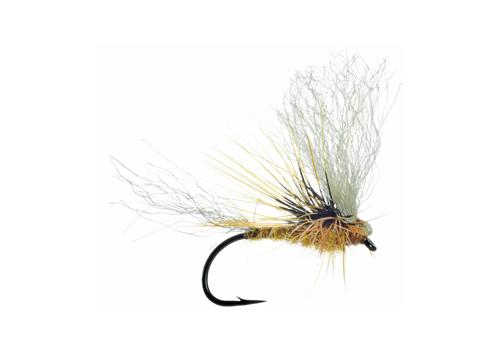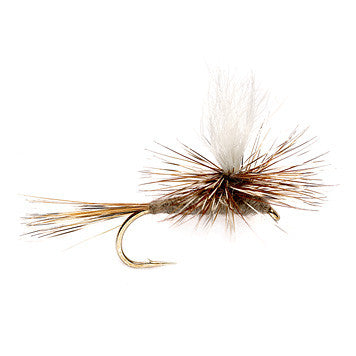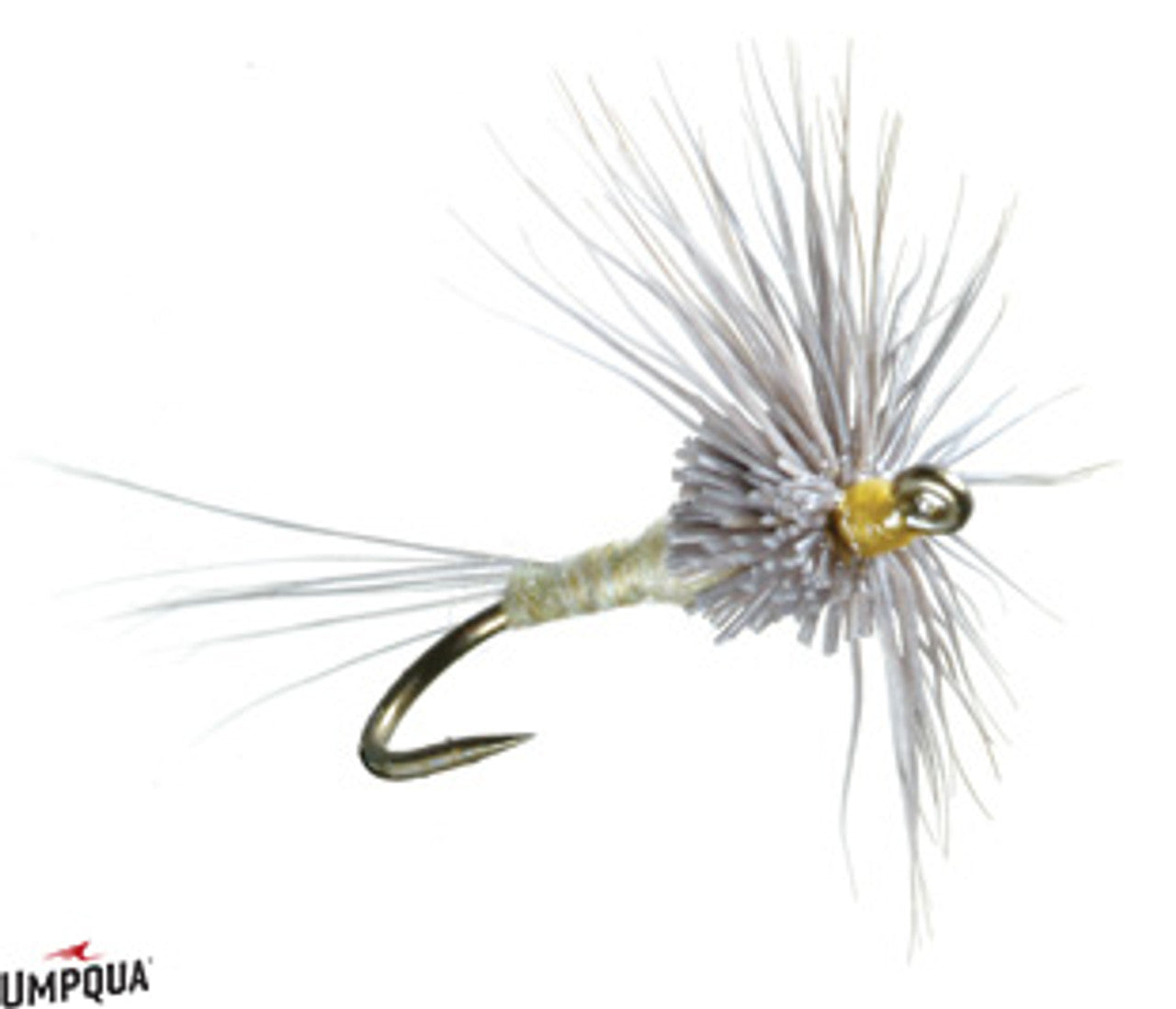










March Brown Adult
Dun Stage
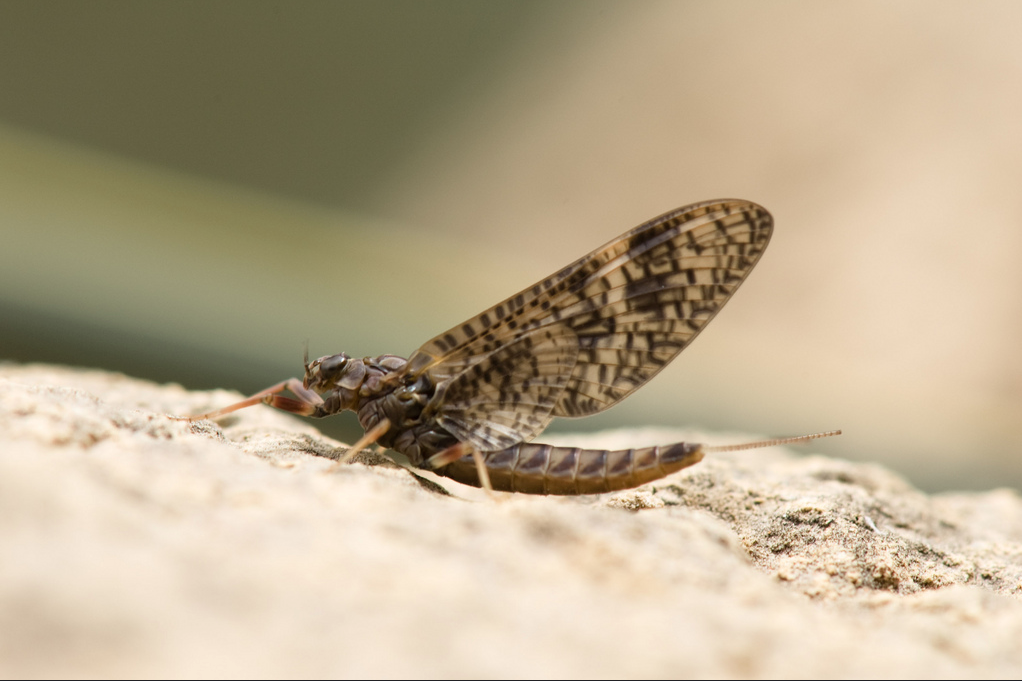
Fishing Tactics:
Traditional Dry Fly tactics. Casting upstream and keeping a tight line to your fly as it drifts down. Focus on edges and clean drifts.
Spinner Life Stage
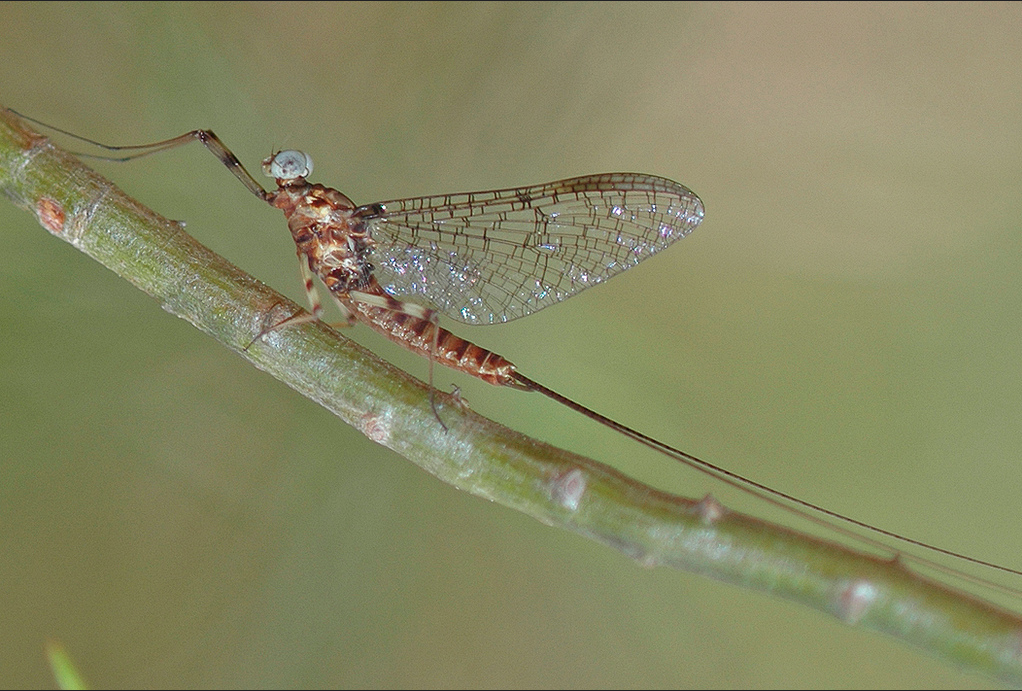 Photo by nrmiller
After hatching into winged adults, March Brown duns will flutter to nearby foliage and vegetation prior to mating. After emergence, males will create large mating swarms above faster riffles and females will fly into these clouds of sexually mature males. After the females are fertilized, they will deposit their eggs on the surface of the faster water. Both males and females will fall as spent spinners to the surface film, some will float high on the water and others will be swept below the surface. The Spinner will have more color on its body and also will have clear wings. Falls of March Brown spinners can be very thick and when the water is thick with these spent bugs, trout rise feed voraciously on the surface.